



Regulatory Affairs: seeing a product through to market
Regulatory Affairs supports products from the earliest stages of development, working closely with R&D to assess regulatory requirements, materials, formulations and intended uses. In food packaging, this includes evaluating materials for food-contact suitability and preparing the documentation needed to demonstrate compliance. In medical applications, requirements can vary significantly depending on the intended use and the specific project. The role continues


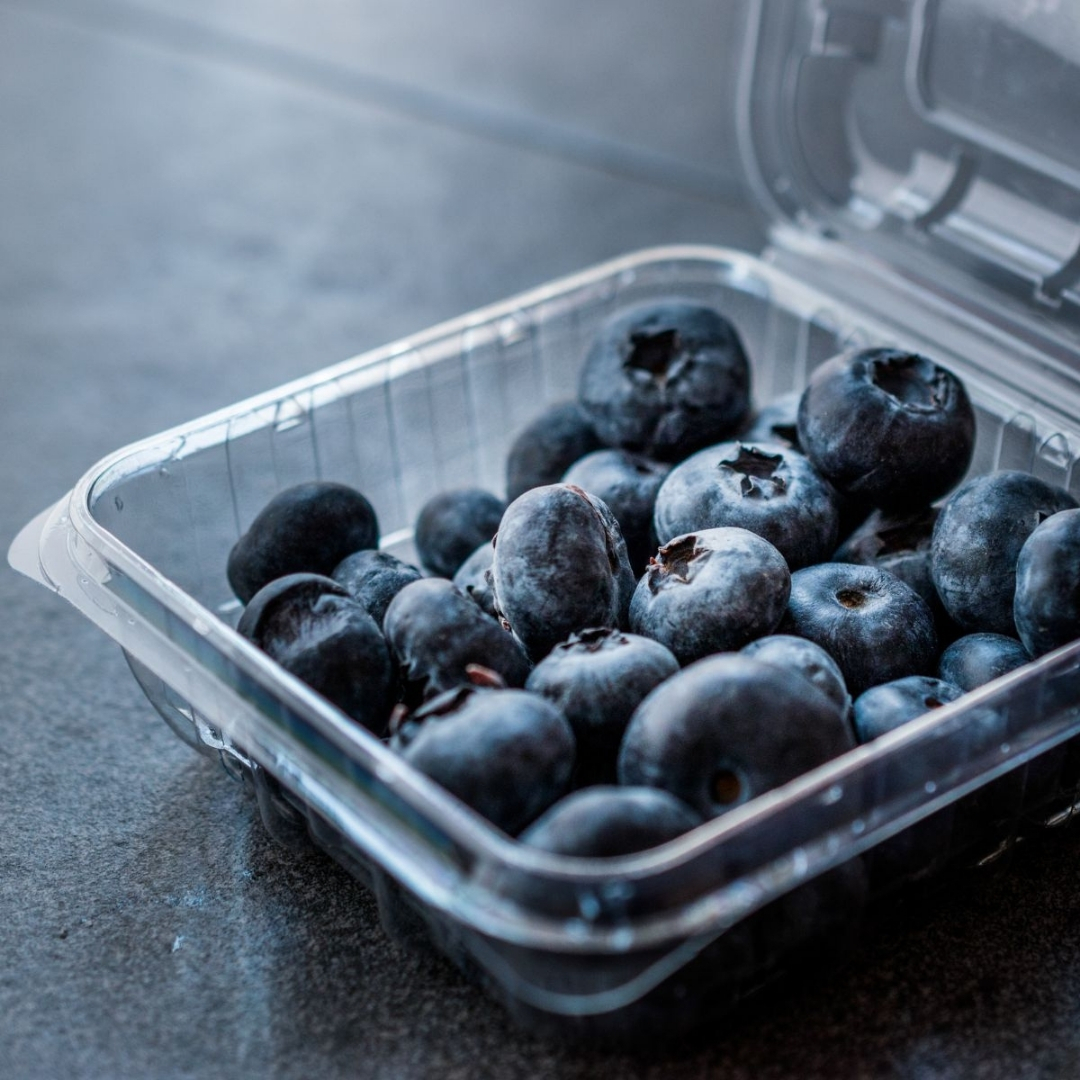
Absorbent pads for fresh fruit: what the bottom of the tray tells us
Moisture management plays a key role in preserving the freshness and appearance of fresh fruit. Absorbent fruit pads help keep packaging clean, improve product presentation and contribute to reducing food waste.
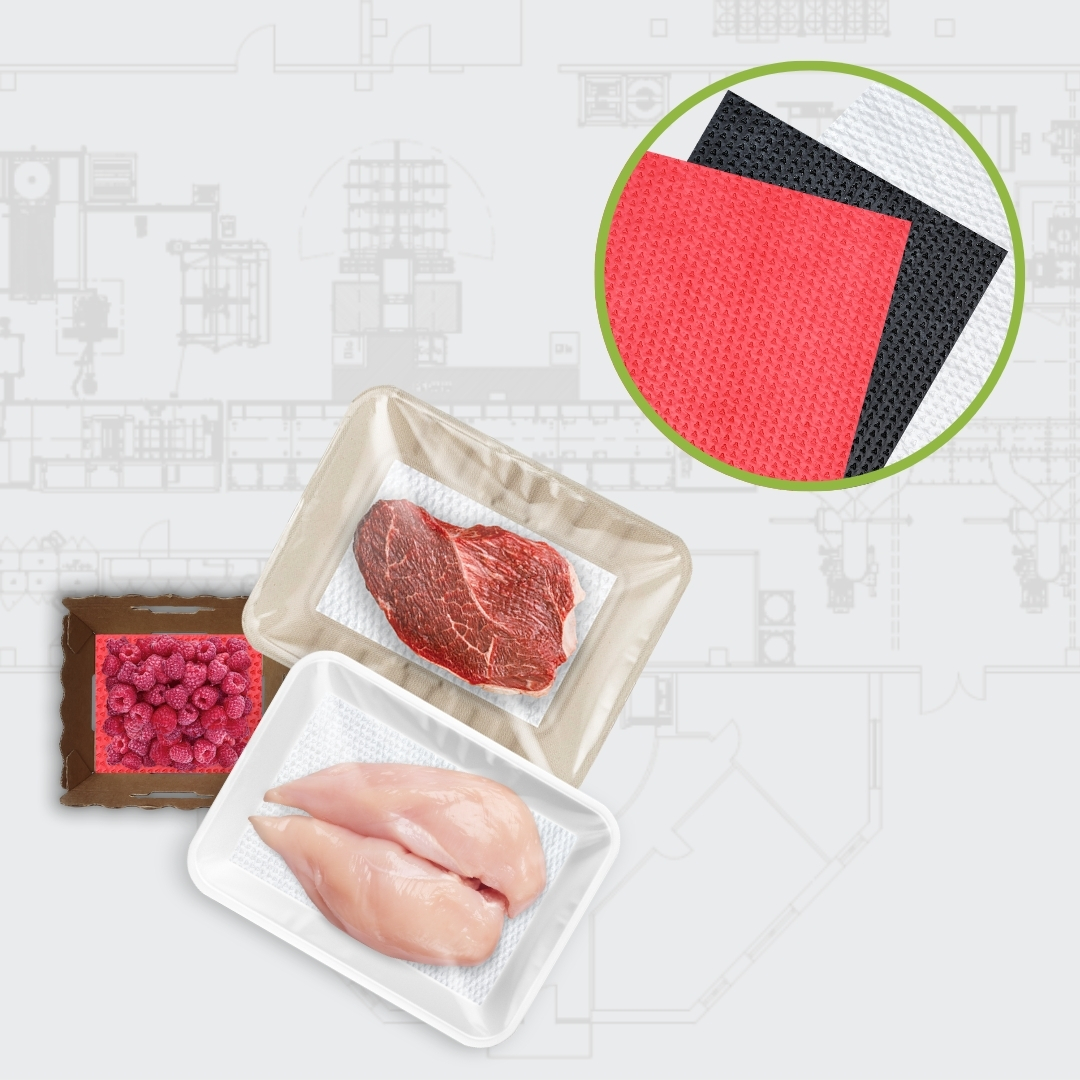
Magic orders new food pad production line including airlaid technology from Andritz
Magic has selected Andritz to supply a new food pad production line featuring advanced airlaid technology. The investment will expand production capacity and support the development of a new generation of absorbent materials for food packaging.

Absorbent pads for fresh food packaging: quality starts at the bottom of the tray
In fresh food packaging, perceived quality also depends on what happens at the bottom of the tray. Absorbent pads help protect the product throughout the supply chain by managing the liquids released during storage and supporting a cleaner, fresher-looking presentation on shelf.
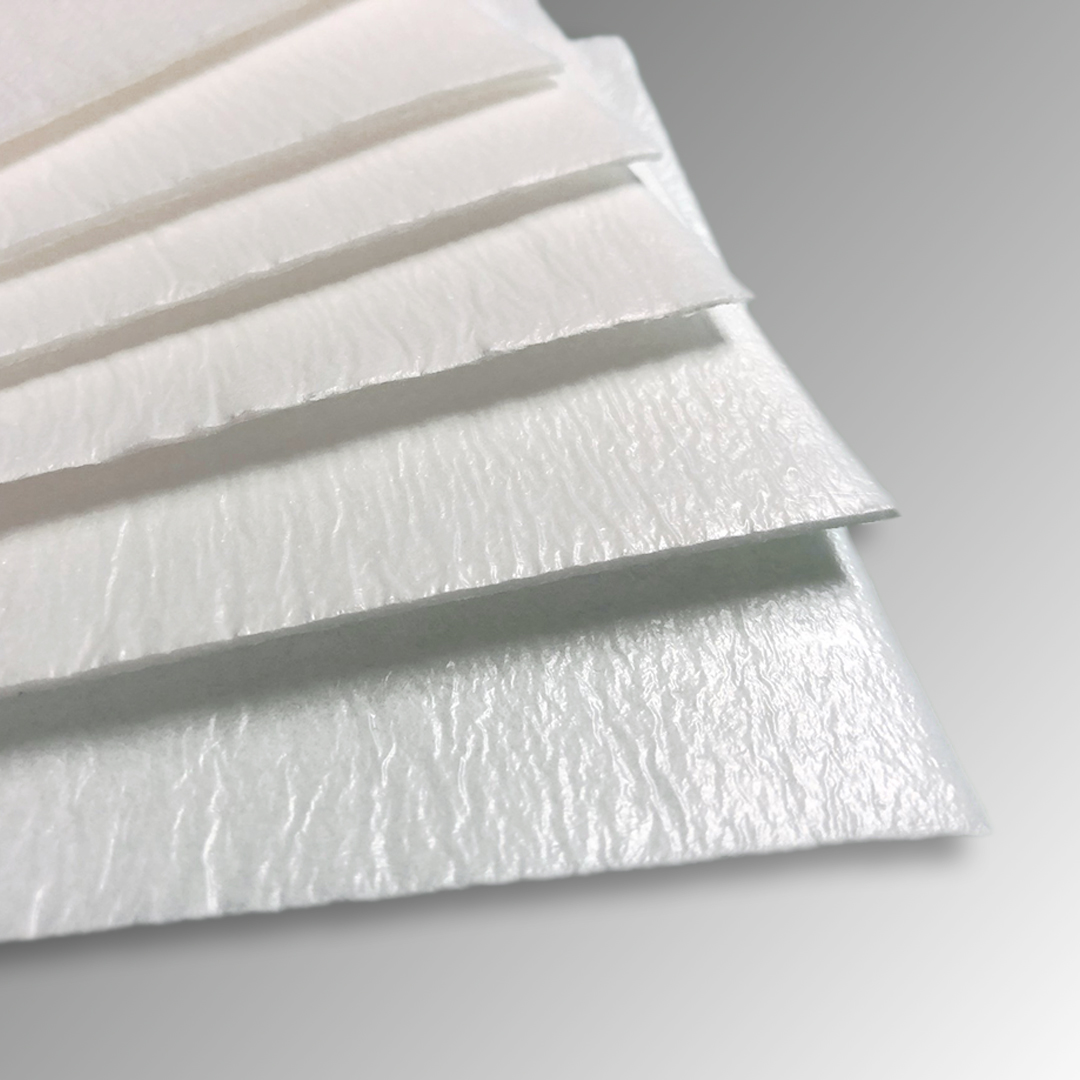
Preservation before refrigeration: controlling water in food
Food preservation depends on controlling free water. From traditional methods to exudate management in food packaging, product stability depends on how moisture is managed.

Quality control in food packaging: protecting safety and reputation
Food packaging is a critical barrier protecting safety, hygiene, and reputation. Here’s why quality control makes all the difference.
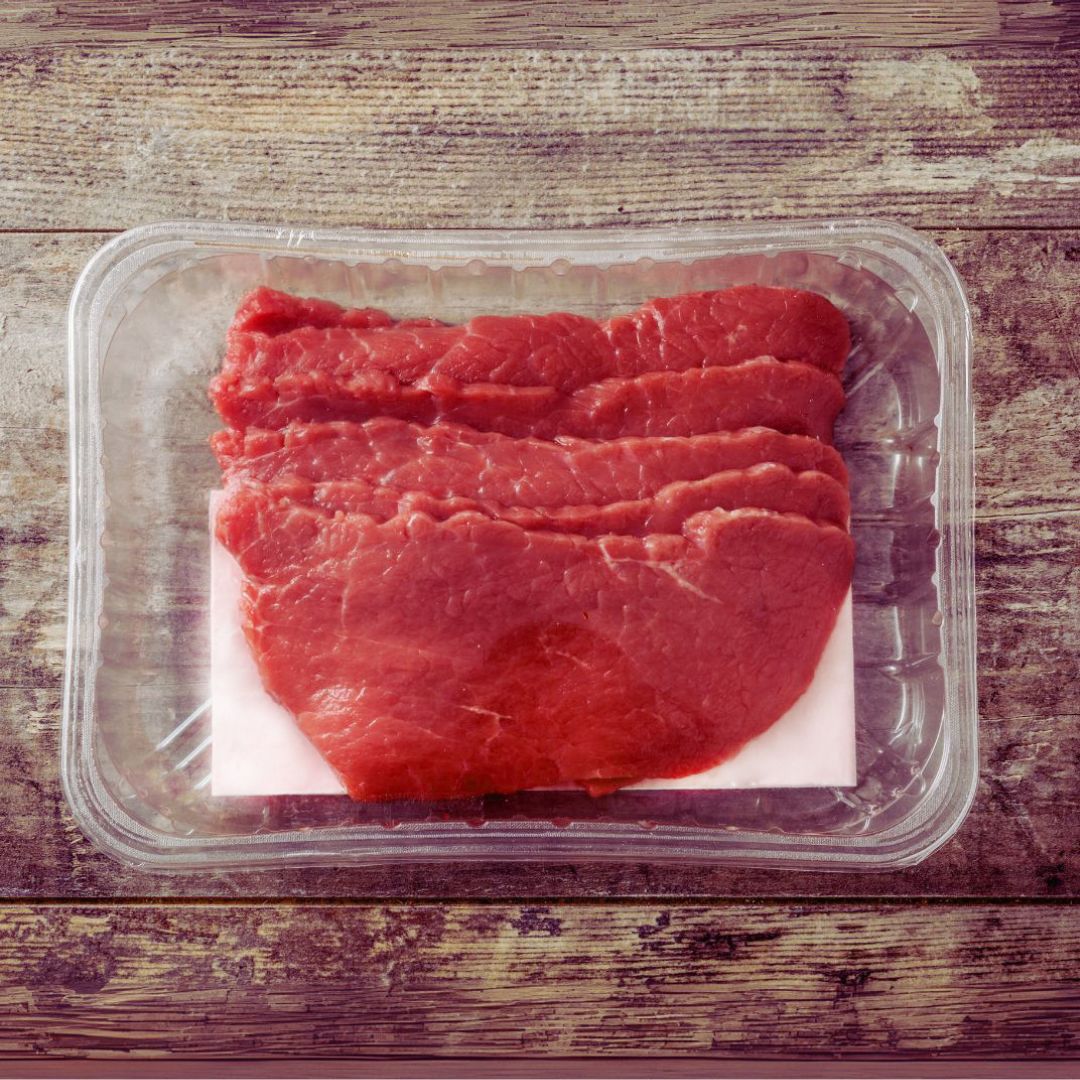
Food contact materials: function, compliance and end-of-life management
Food packaging is evolving with compostable and recyclable materials. Rather than choosing a material on the basis of a generic environmental qualification, its life cycle needs to be considered as a whole: from raw material sourcing and energy use during production to the possibility of recycling or composting it after use.
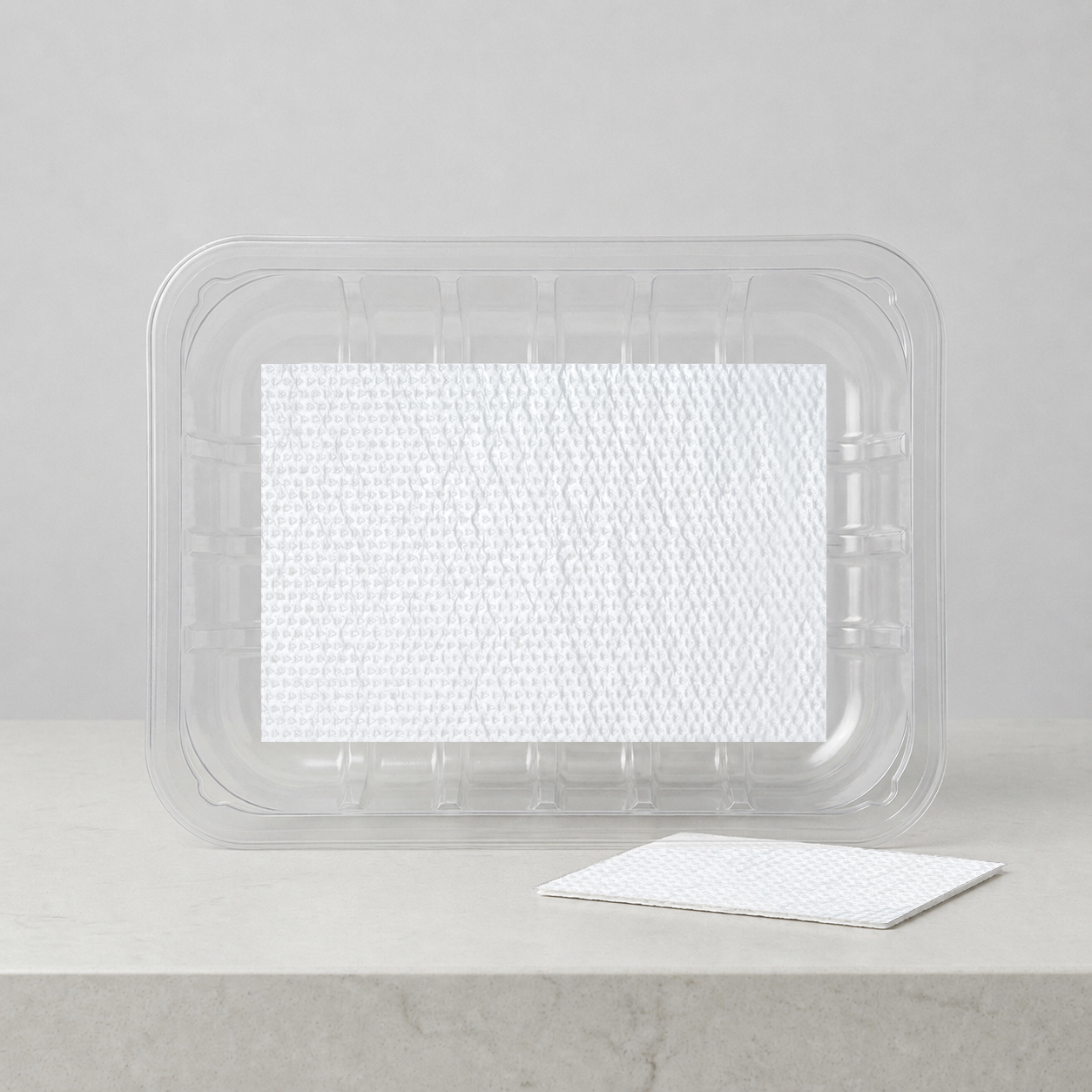
G-pad: function in the pack and end-of-life management
G-pad is an absorbent pad designed to manage liquids released by fresh food during storage in the pack. It is OK Compost Industrial certified and can be disposed of with organic waste where permitted by local rules and collection systems.

Designing food packaging: from material selection to end of life
Materials, performance and end of life all need to be considered when designing food packaging. From raw material selection to what happens after use, each decision must take into account the function the pack is required to perform.

The evolution of food packaging over time
From early containers to contemporary packs, food packaging has changed along with materials, production systems and distribution methods. A look at some key stages in its evolution, including the growing role of end-of-life considerations.