

Designing food packaging: from material selection to end of life
Food packaging is designed first and foremost to perform a function: protecting food throughout storage, transport, distribution and display at the point of sale.
This is where the design process begins. Material selection, thickness, the number of components that make up the pack and the available end-of-life options all need to be considered without losing sight of what the packaging is required to do.
Environmental assessments depend on the actual characteristics of the pack and cannot be separated from its function.
Function comes first
Different foods require different packaging. Protection needs vary, as do storage conditions, expected shelf life and the stresses a pack must withstand during transport and distribution.
Changing the amount or type of material can also affect packaging performance. Reducing weight, switching materials or changing the structure of a pack therefore needs to be assessed against the requirements of the specific application.
For food packaging, safety and compliance with the applicable requirements for materials and articles intended to come into contact with food also remain fundamental.
Material selection
Plastic, glass, metal, paper and board have different properties and suit different applications. Alongside them are materials made wholly or partly from renewable raw materials.
One example is PLA, a polymer that can be produced from raw materials such as corn, sugar beet or sugar cane.
The origin of the raw material, however, is not enough to describe what happens to a material at the end of its useful life. Biodegradability and compostability refer to specific characteristics that need to be verified under the relevant conditions and for the material or product concerned.
Material selection must therefore take into account the application, the required performance and the applicable regulatory requirements.
What happens after use
The way a pack is designed also affects how it can be managed after use.
Recyclability and compostability refer to different end-of-life routes. Materials and structures need to be compatible with the relevant collection and treatment systems, and disposal instructions need to reflect these conditions.
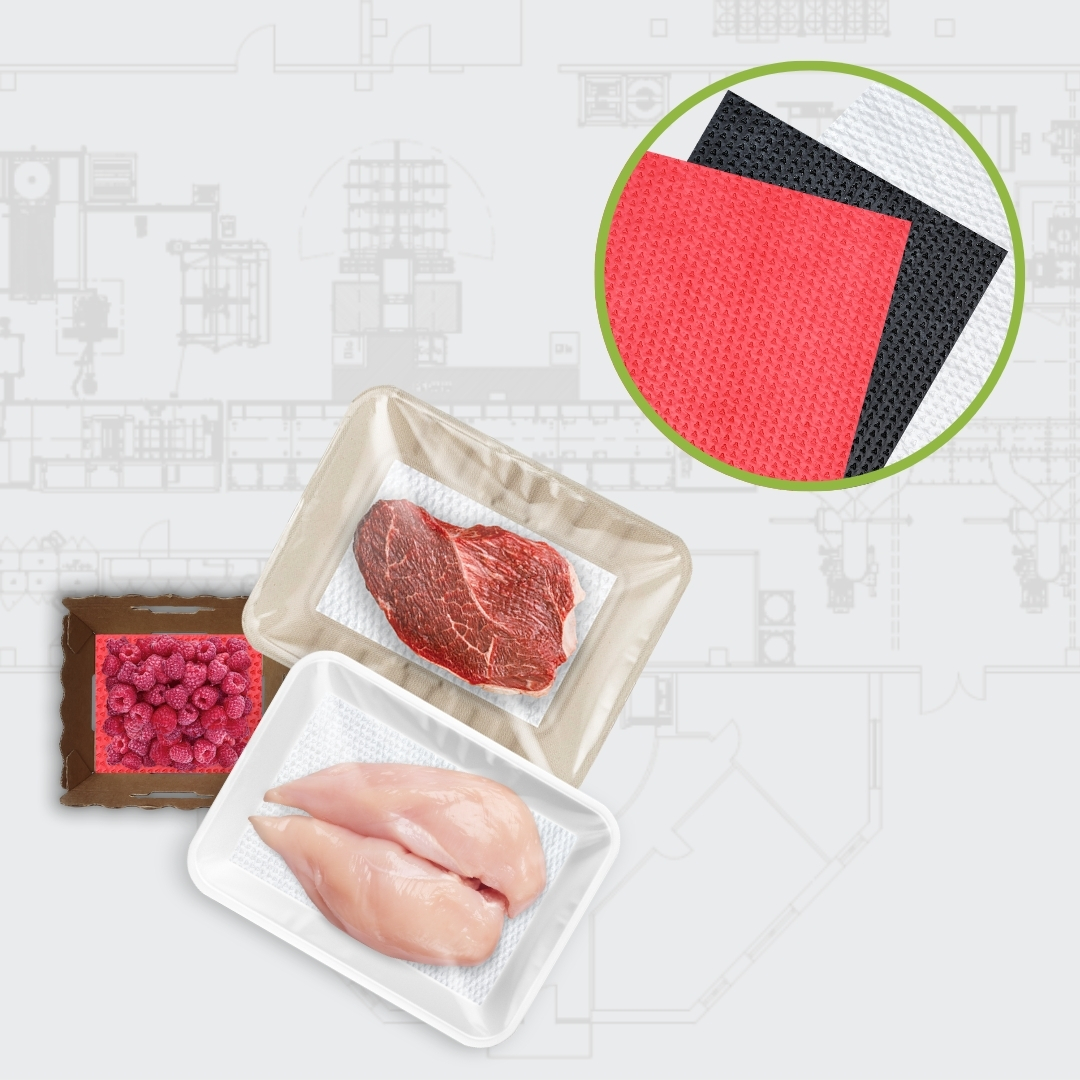
Food packaging may also consist of several separate elements. A tray, film, label and, where present, an absorbent pad can have different compositions and functions.
These components also need to be considered when assessing how the pack should be managed after use.
Looking at the full cycle
A lighter pack uses less material, but this fact alone does not describe its overall environmental impact. The same applies to the origin of a raw material or a particular end-of-life characteristic.
Comparing different materials or solutions requires a clear definition of what is being measured, and which stages of the life cycle are included.
Life Cycle Assessment (LCA) provides a method for carrying out this type of analysis using defined system boundaries, data and methodologies. Assessments can therefore be based on measurable factors rather than on a general perception that one material or solution is “more sustainable” than another.
For food packaging, however, the function of the pack remains the starting point. Any change in materials, structure or the amount of material used needs to be assessed against what happens during use and once the packaging has completed its task.
There is no single choice that works for every application. Material characteristics need to be assessed against the intended use, the required performance and the relevant end-of-life route.