

Preservation before refrigeration: controlling water in food
Refrigeration made temperature the main preservation tool. Before it became widespread, food stability depended on another factor: the amount of free water present in the tissues.
Reducing that fraction slowed microbial activity and extended shelf life. Traditional techniques did not rely on temperature, but on available moisture, altering the physical conditions that regulate deterioration.
How traditional methods controlled water
Traditional preservation practices all addressed the same variable. In sun drying, moisture gradually decreased as surface water evaporated. Ventilation in dry environments accelerated this exchange with the air. Salting altered the balance between water and solutes within the tissues, making microbial growth more difficult. Smoking removed moisture while depositing compounds on the surface with antimicrobial effects.
One example is chuño, produced in the Andean regions of Peru and Bolivia through natural cycles of night-time freezing and daytime sun exposure.
The method remains the same today: alternating crystallisation and evaporation progressively reduce the free water from the potatoes. Over time, they become a dry, compact food product that can be stored for long periods.
From natural preservation to modern packaging
With the introduction of refrigeration and packaging systems, preservation became industrial process.
Temperature became the primary control factor, and exudate continues to influence product stability.
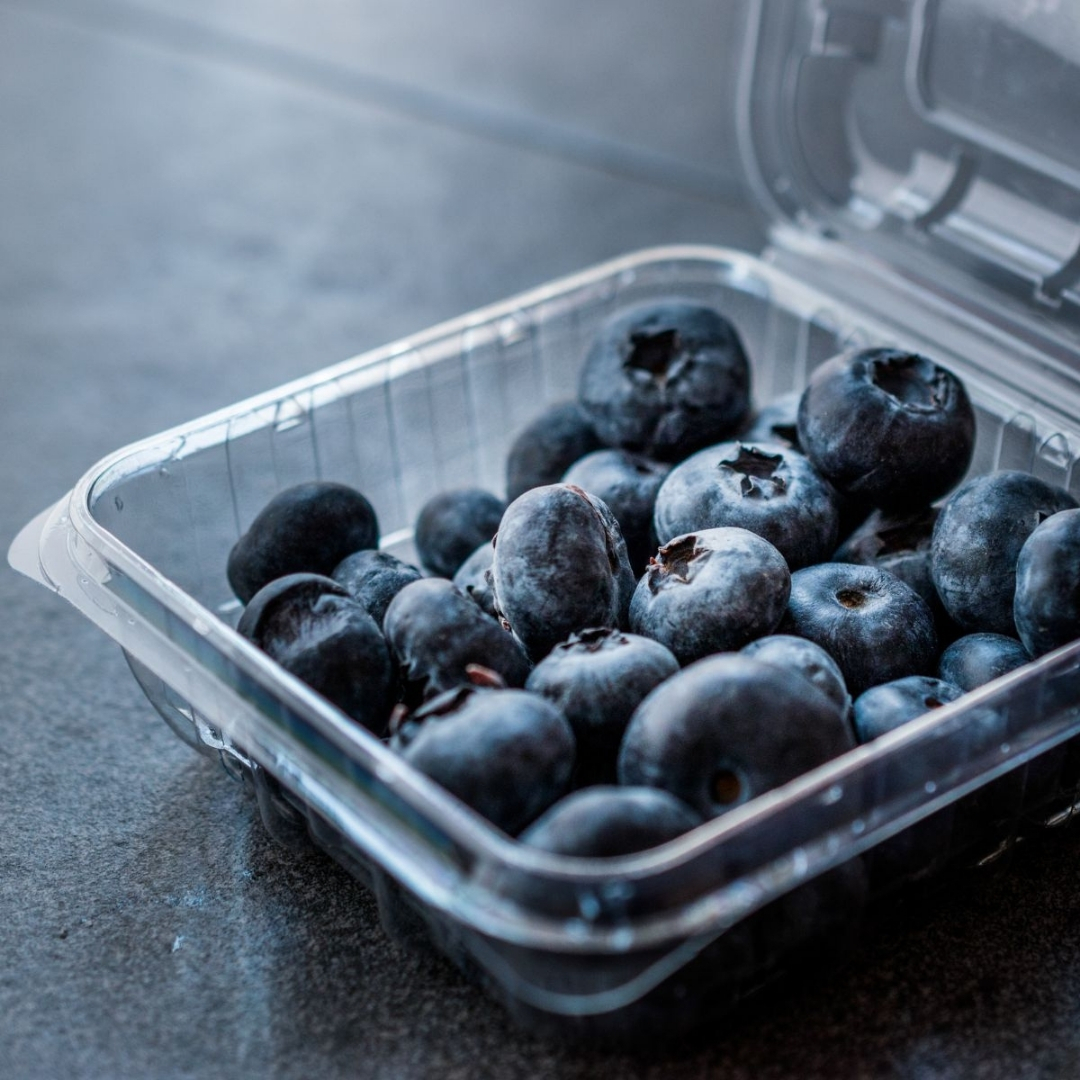
Fresh packaged foods – meat, poultry, fish and fruit – naturally release water in the form of exudate. When this moisture remains free inside the pack, more water stays in contact with the product, creating favourable conditions for microbial growth.
The surface loses firmness, liquid collects at the bottom of the tray, and the product no longer looks fresh.
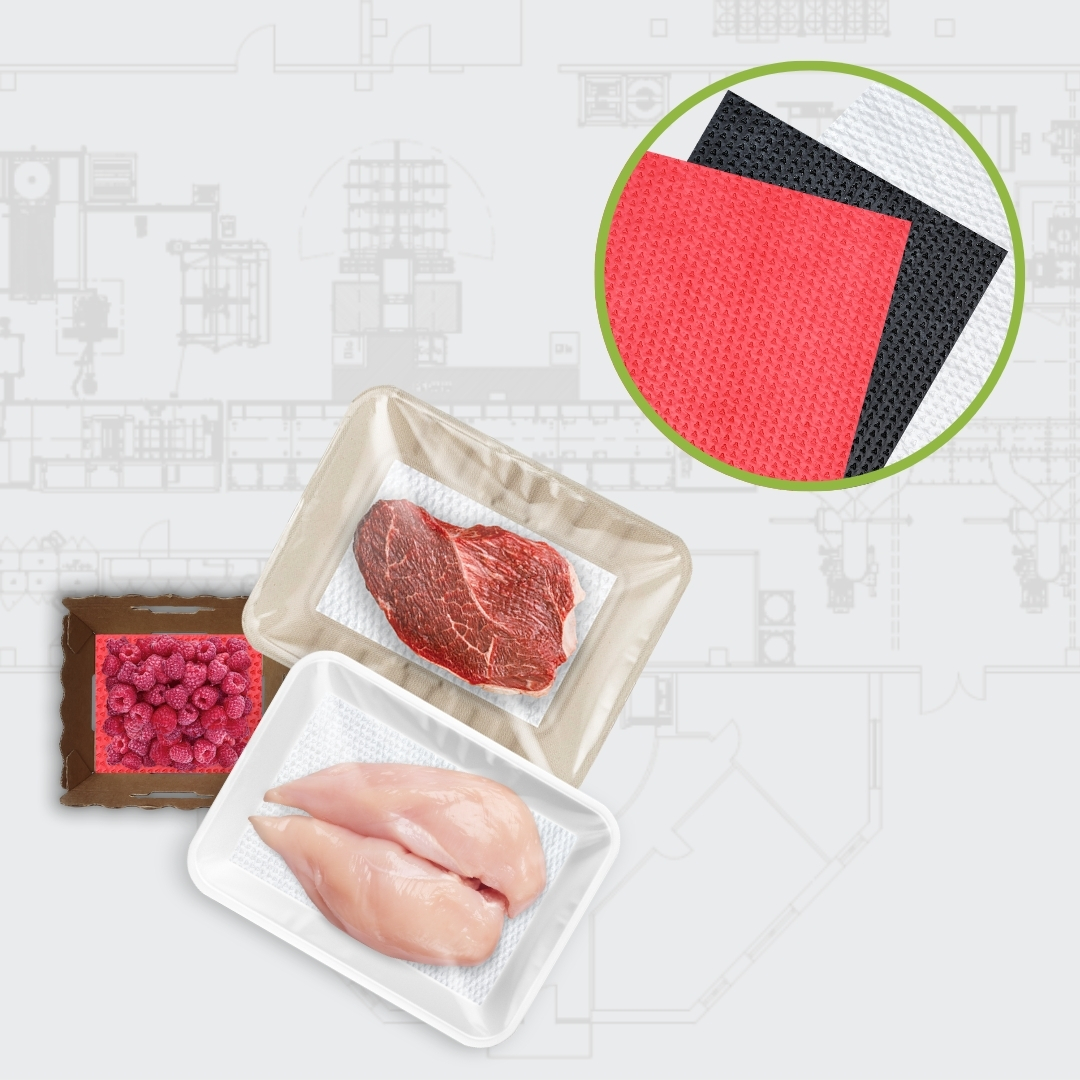
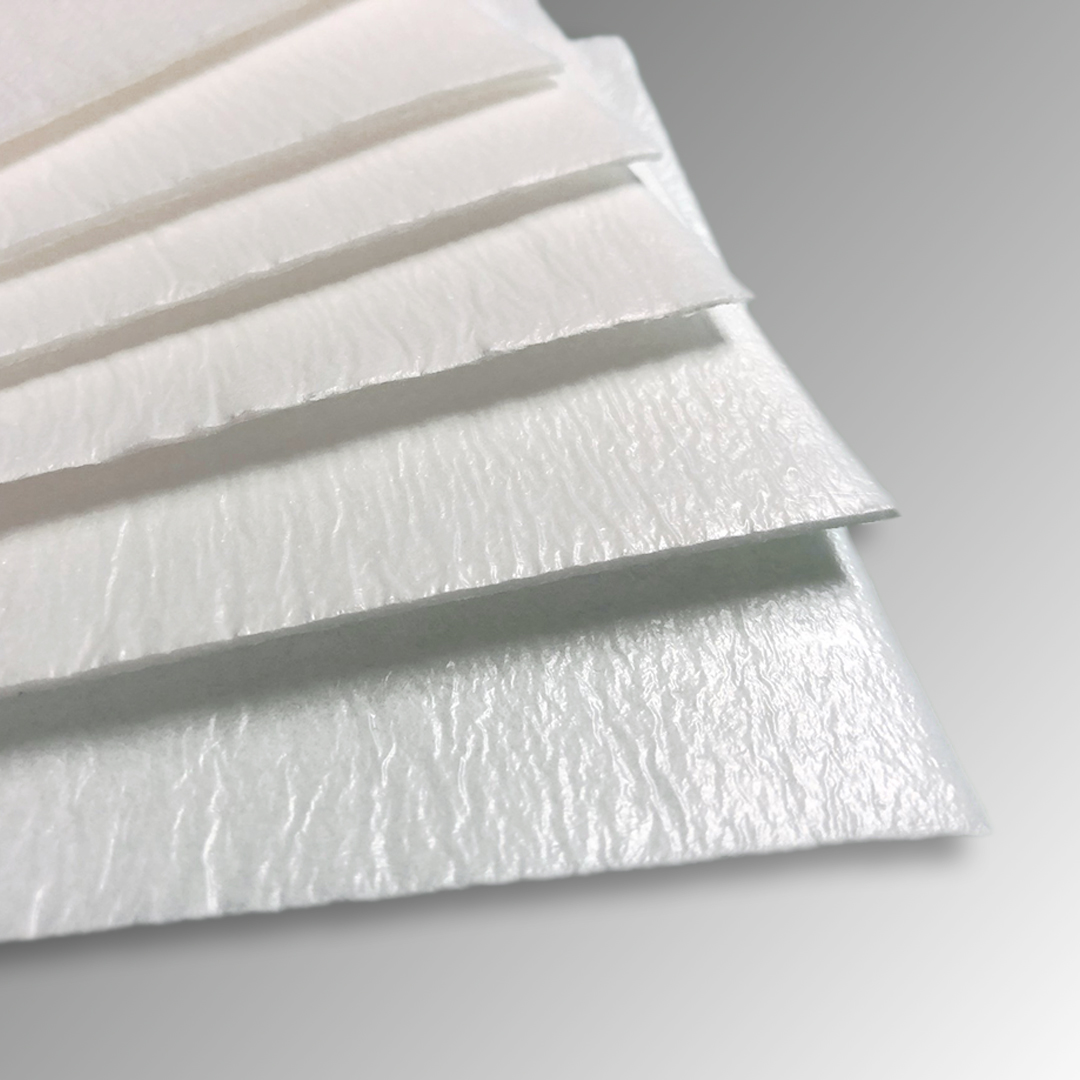
Food absorbent pads, integrated into the packaging process, capture the exudate and retain it within a multilayer structure. Depending on the application, they may incorporate one or two barrier films positioned on the top, the bottom, or both.
This confines the liquid within the absorbent layer and prevents it from returning to the food or redistributing during transport and handling.
For centuries, food shelf life has depended on the balance of water within its tissues. Today, whether on a refrigerated shelf or during the distribution chain, it still comes down to how much water remains available in the product.