

Absorbent pads for fresh fruit: what the bottom of the tray tells us
In summer, opening the fridge at home often means finding a tray of fresh fruit. It is the season when we eat more of it: at breakfast, in the office or after exercising. But it is also the time of year when that same fruit needs more careful handling.
Heat speeds everything up. Higher temperatures, longer journeys and more time spent on the shelf all put the pack to the test, particularly when it contains more delicate varieties.
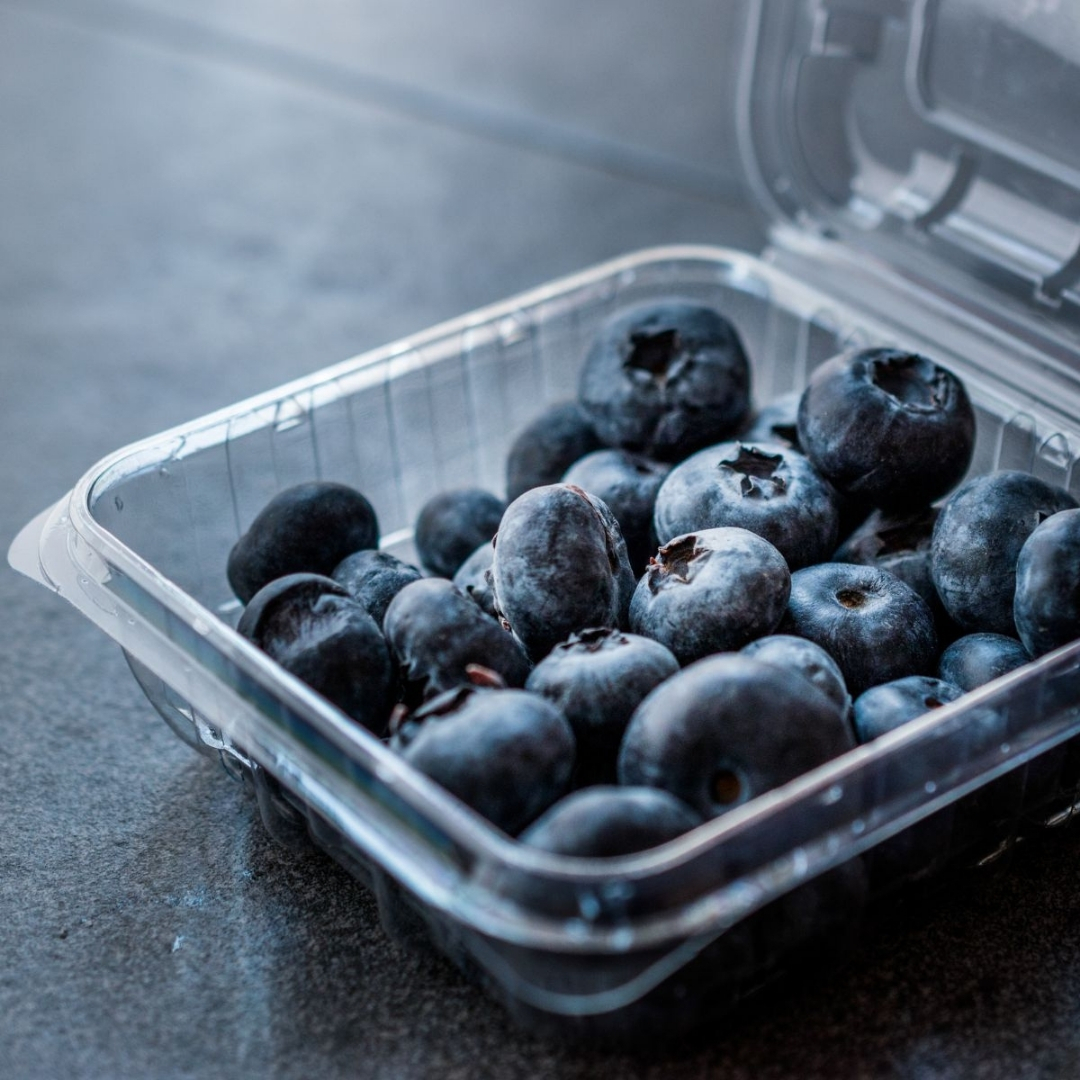
Berries are usually the first to show the effects. Blueberries, raspberries, blackberries and strawberries have thin skins and release moisture quickly. Within a few hours, the appearance of the tray can begin to change.
The fruit itself may not be spoiled, but it can start to look as though it is. A thin layer of liquid at the bottom, berries that appear slightly damp, a pack that is no longer as clear as it was when first filled. The perception changes, even when the product is still fresh.
Fresh, but it does not look fresh
At the refrigerated display, consumers cannot taste the fruit. They can only look at it.A product may still be perfectly good, but when the tray no longer conveys freshness at first glance, it is more likely to be left on the shelf. The same thing can happen at home, where fruit may be thrown away earlier than necessary simply because it no longer looks reassuring.
For berries, these details carry even more weight. A clean base, no visible liquid and a tray free from condensation after hours in transit can influence the decision before flavour ever comes into it. They help consumers decide whether the fruit is worth buying.
What happens at the bottom of the tray
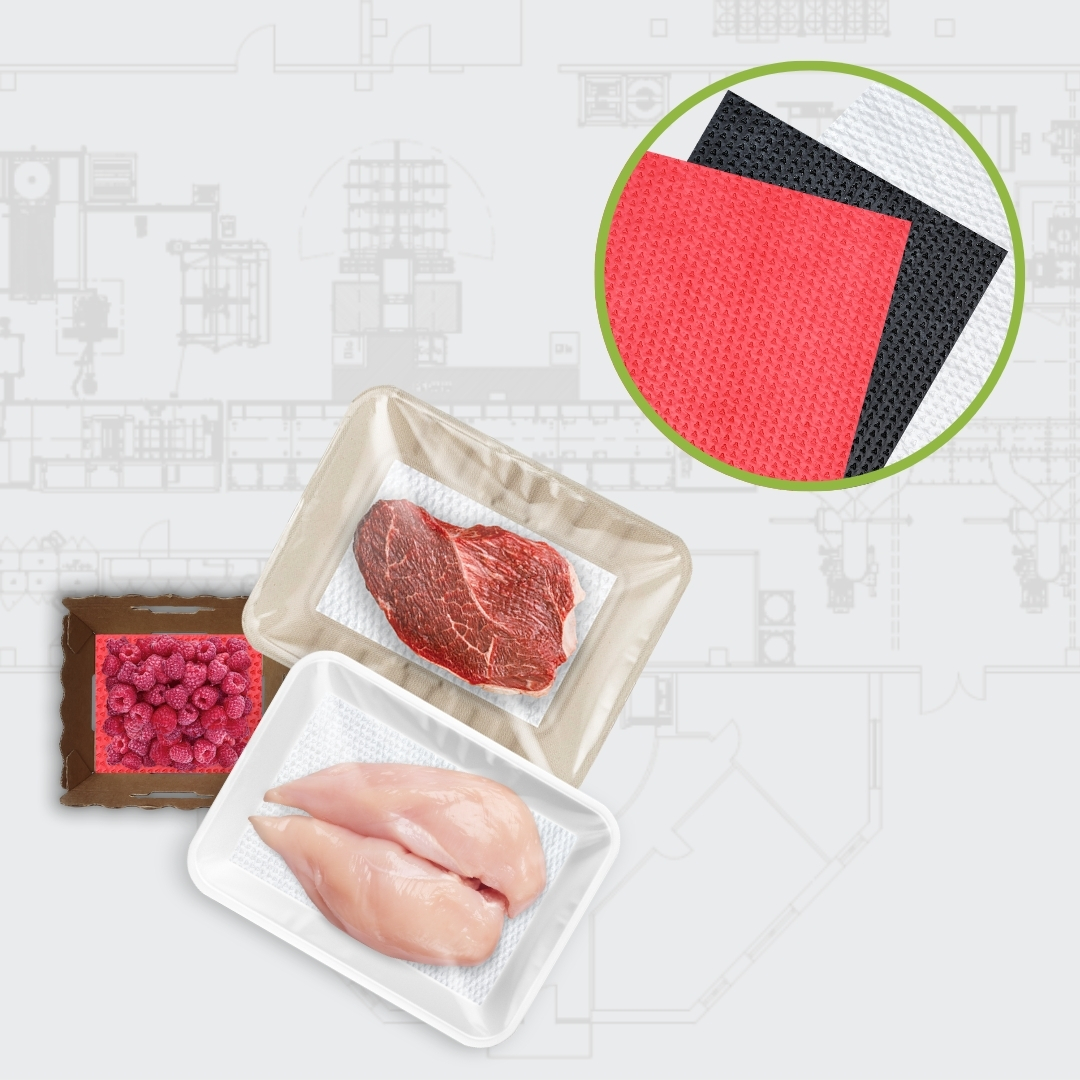
The absorbent pad works in the part of the pack that tends to go unnoticed until something goes wrong: the bottom of the tray, in direct contact with the fruit and the moisture it releases. Its role may appear straightforward. It absorbs excess liquid and helps keep the pack clean until the shopper picks it up.
Of course, a pad is not the only factor affecting the condition of fresh produce. Transport, storage and display remain decisive. But it is the component closest to the fruit, and its effect is immediately visible to the consumer.
During the months when more fruit is bought and eaten, a clean or stained tray base becomes part of how the product is judged, well before anyone has the chance to taste it.
Designed around real use
A tray of blueberries intended for large-scale retail does not follow the same route as a pack of raspberries sold through a local market. Display times vary, handling conditions change and so does the amount of moisture that needs to be managed.
This is why Magic does not design fruit pads around a single standard. The starting point is the application itself: how the pack travels, how long it remains on the shelf and how much liquid needs to be absorbed to keep it clean through to the moment of purchase.
This approach led to the development of Paperpad and Fruitbond, two solutions created for different requirements within the same market. Both are designed to manage liquids inside the tray and prevent the base of the pack-the area that often says most about freshness-from weakening the consumer’s first impression at the point of purchase.