


Quality control in food packaging: protecting safety and reputation
When we talk about food safety, we tend to think of ingredients, production processes, or hygiene conditions involved.
But we often forget an essential player: packaging.
It’s the first line of defense between the product and the outside environment.
If carefully designed and properly controlled, it preserves freshness, hygiene, and safety all the way to consumption.
If defective, it can compromise the quality of the food and with it, consumer trust.
This is why quality control in food packaging it’s a must-have requirement.
Food packaging: a silent guardian
In packaged food, every detail matters. And packaging, though often overlooked, is what ensures the product reaches the consumer intact, safe, and visually appealing.
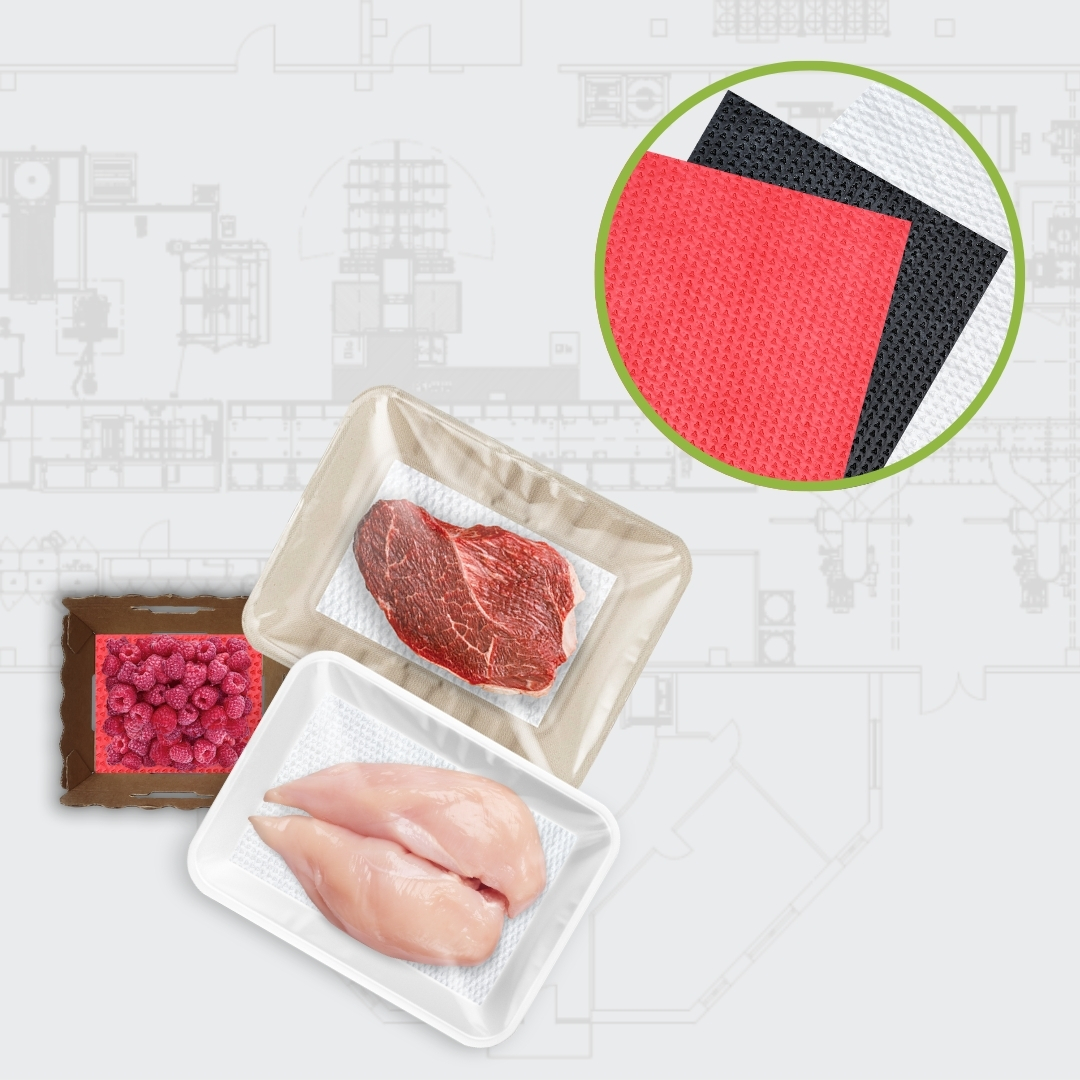
Take absorbent pads, for example. Their role is to prevent liquid from pooling, preserve the product’s appearance, and avoid conditions that could promote bacterial growth.
When something goes wrong, the impact is immediate, visible, and sometimes risky.
That’s why quality testing plays a crucial role: it helps prevent problems before they occur. It checks materials, functionality, durability, and hygiene, ensuring every package lives up to expectations.
It’s an essential form of prevention for both manufacturers and consumers.
From risk to control: ensuring safe packaging
A defect in food packaging can have serious consequences: contamination, liquid leakage, damage during transport. These issues don’t stop at the product, they lead to complaints, waste, and reputational harm.
Laboratory testing helps detect risks before they surface, through a series of targeted tests that validate both materials and performance..
Key tests include:
- Migration tests, to verify that materials don’t release unwanted substances into food.
- Absorbency tests, to ensure pads absorb efficiently without affecting product quality.
- Mechanical tests such as tensile strength and puncture resistance, to confirm durability during transport and storage.
- Microbiological tests, to rule out the presence of harmful bacterial loads.
This isn’t just about regulatory compliance. It’s a proactive approach that protects consumers and safeguards the brand’s value. An invisible yet strategic investment.
BRCGS: certified and shared quality
One of the most widely recognized international standards is BRCGS Packaging Materials, which sets strict criteria for hygiene, traceability, and risk management.
It’s not just a label to display, it’s a structured control system, built on regular audits, documented protocols, and continuous improvement.
Magic is certified to the BRCGS standard. This means we operate according to globally recognized, verifiable parameter, speaking the same language of quality with our clients around the world.
For our partners, this certification is a guarantee of reliability. It ensures safe materials, traceable processes, and consistently high standards they can depend on.
Investing in a certified, robust control system means reducing risk and building a trustworthy reputation, one that lasts over time and creates value across the entire supply chain.
Consumer may not realize it, but behind every package, there’s a quality control system working on their behalf, every single day. That’s where trust begins, long before the product reaches the shelf.