


Absorbent pads for fresh food packaging: quality starts at the bottom of the tray
In front of the refrigerated shelf, the choice is almost always guided by what people see first: the colour of the meat, the appearance of the fish, the firmness of the fruit, and the way the product presents itself in the tray.
The absorbent material stays at the bottom. It is not the first thing consumers notice, but it can have a real impact on how the food is perceived.
When liquid remains visible inside the pack, the product changes before it is even opened. It may still be perfectly good, but it looks less fresh and less appealing. In a purchase decision that often takes only a few seconds, this detail can make a difference.
The absorbent pad is designed to manage this part of fresh food packaging: collecting the liquids released during storage and limiting visible liquid at the bottom of the tray.
Inside the refrigerated tray
Meat, poultry, fish, fruit and ready-to-eat fresh produce are increasingly sold in refrigerated packs: already portioned and easy to manage from the shelf to the consumer’s kitchen. The tray protects the product and makes it easier to display, handle and store throughout the distribution chain.
Within this balance, the pad works on one specific point: the relationship between the food, the liquids it releases and the pack.
For retailers, better liquid management can reduce the risk of a product being penalised at first glance, even when it is still suitable for sale. For consumers, a tray with no visible liquid at the bottom looks better cared for and makes the product feel more reassuring to choose and take home.
As fresh food packaging becomes more widespread, this function carries more weight. Packaging is not just the product’s container; it also contributes to the way the product is seen, assessed and chosen.
Different foods, different liquid release
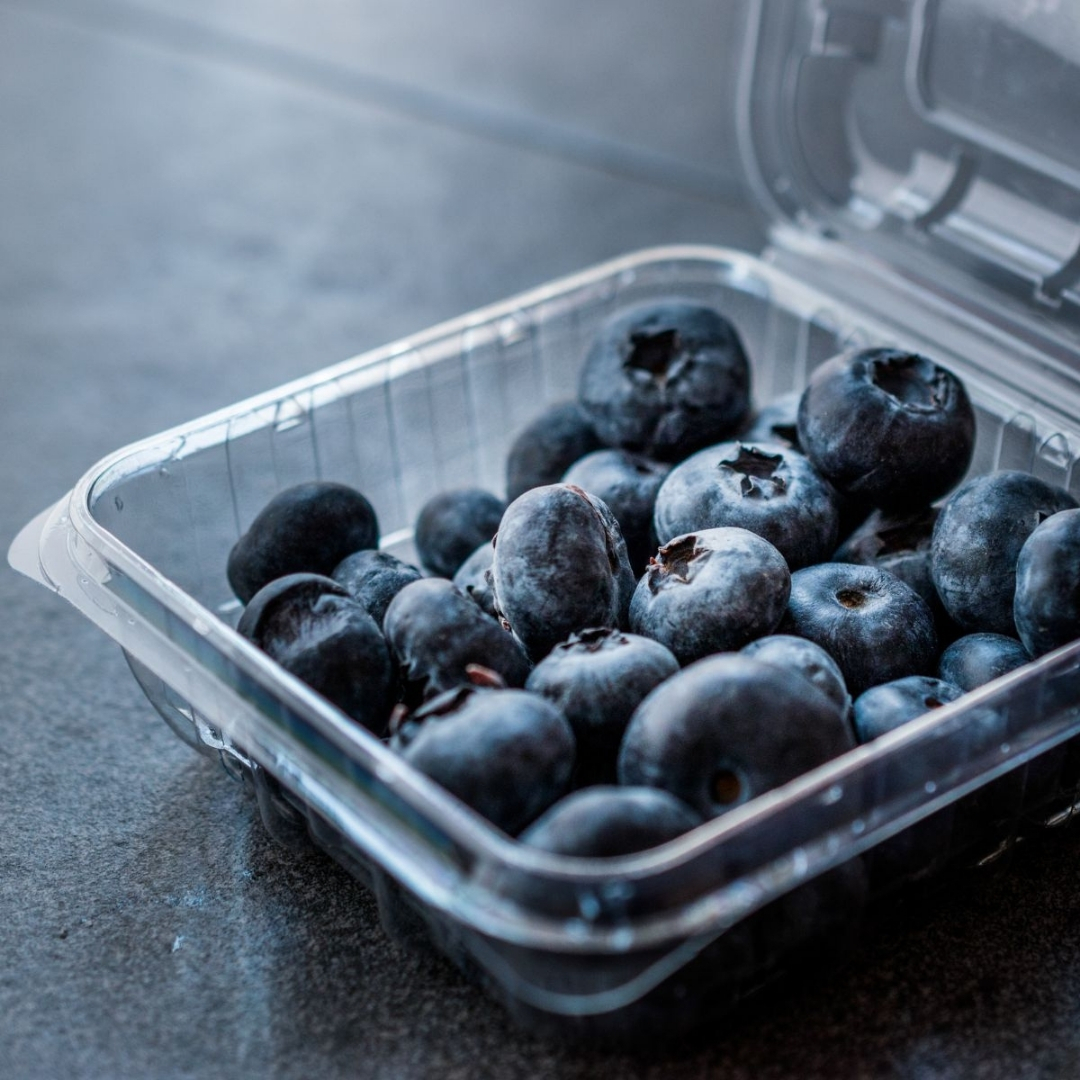
Meat, poultry, fish and fruit do not behave in the same way inside the tray. The amount of liquid released changes, as do the weight applied to the pad, the display time and the expected result on shelf. Fruit, especially when delicate or naturally rich in water, can quickly lose visual firmness if condensation or liquid starts to collect at the bottom.
This is why the pad has to be designed around the application. Format and absorbency level matter, but so do the structure of the material, its behaviour after saturation and its compatibility with the packaging line.
The first requirement is absorption. After that, the material needs to retain the liquid within its structure, remain stable during display and limit any release under pressure.
The value of the pad becomes clear when liquid is not the first thing perceived in the tray. On shelf, attention should remain on the product and on how it looks.
From pad structure to its end-of-life stage
The choice of absorbent material starts from the function the pad has to perform inside the pack. It is not only a matter of how much liquid it can retain. The surface in contact with the food, the basis weight, the multilayer structure and the stability of the material once the pad is saturated all play a role.
This is why, alongside traditional cellulose-based solutions, structures have been developed for more specific conditions of use. A pad for meat, fish or fruit does not always work in the same way: liquid behaviour, display time and the expected result inside the pack can all change.
End of life also needs to be part of this evaluation. Talking about biodegradable or compostable pads only makes sense when material, application and disposal are consistent with each other. Certifications, component separability, consumer disposal instructions and compatibility with available waste streams all come into play.
In fresh food packaging, a pad with improved environmental characteristics still needs to perform correctly during use. If it loses stability when saturated or does not manage liquid under the expected conditions, the environmental benefit is not enough to offset the application issue.
The choice of material, therefore, cannot be separated from function. What matters is how the pad behaves inside the tray, but also what happens when the pack reaches its end of life.
Designing the pad from real application needs
At Magic, we develop absorbent pads for food packaging starting from what happens inside the tray: how the food behaves, how much liquid it releases, how long it remains on display and the requirements of the packaging line.
The final result of the pack also depends on these evaluations. Absorption capacity matters, but so does the way the material remains stable during use and contributes to the presentation of fresh food to the consumer.