

Food contact materials: function, compliance and end-of-life management
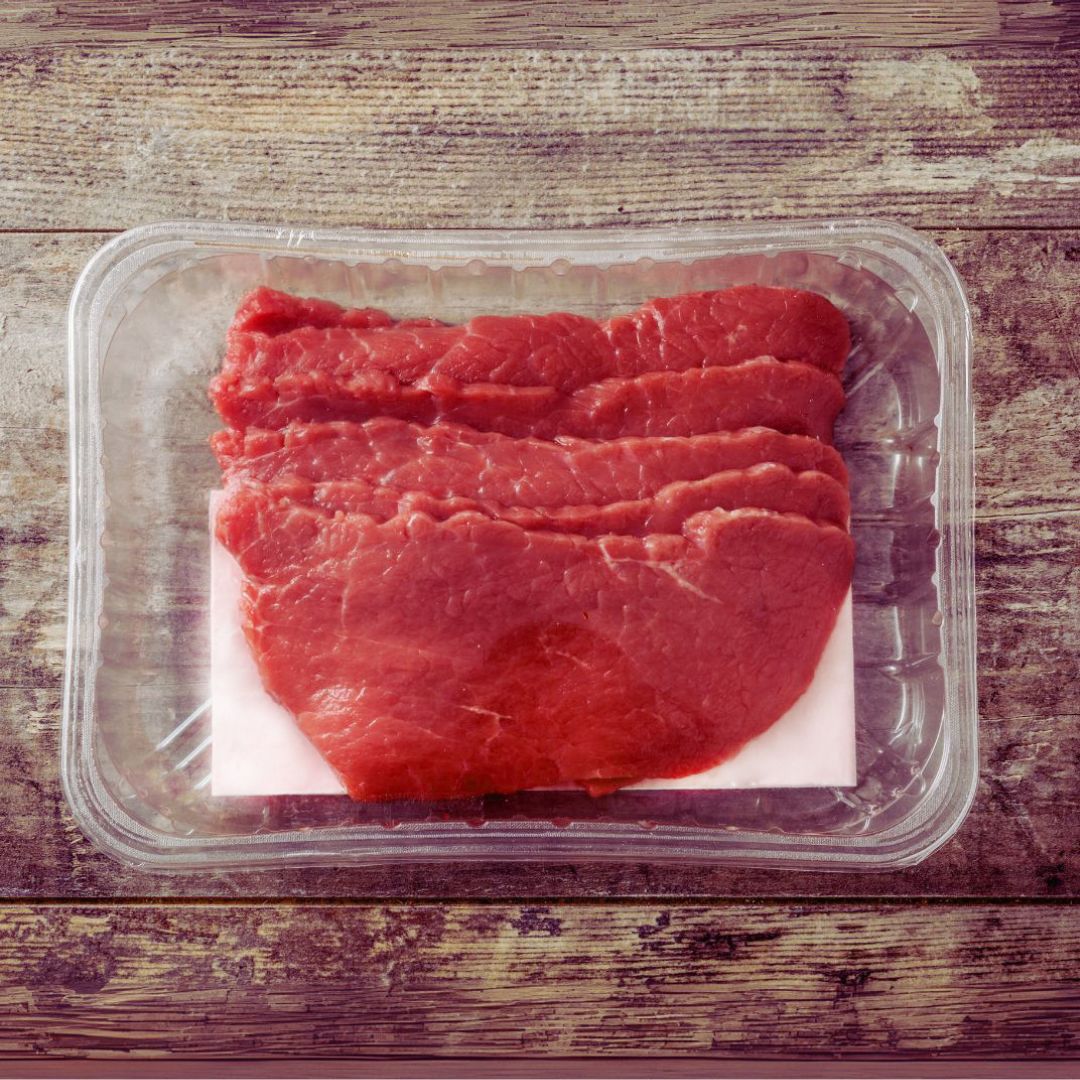
Imagine opening a pack of fresh meat and finding it perfectly dry. No liquid at the bottom, no stains on your hands or kitchen worktop.
Now imagine being able to manage the different packaging components more easily after use, where materials and local collection systems allow it.
Food contact materials: safety, but not only
There was a time when being safe was enough. Materials had to avoid transferring harmful substances and preserve the taste and appearance of food.
Today, that is only part of the picture.
Food contact materials (FCMs) – trays, absorbent pads, films and containers – are subject to strict regulations such as Regulation (EC) No 1935/2004, which sets requirements for their suitability for food contact.
Protecting hunam health protection remains the first criterion. Alongside it, however, increasing attention is being paid to material composition, what happens after use and the environmental information provided with the product.
Because once these materials have served their purpose, they become waste. The question is no longer simply “Does it preserve the food?”, but also: “What happens to the material once it is disposed of?”
Food packaging design therefore has to bring together function, compliance and end-of-life management.
This requires a broader view of material selection. Rather than choosing a material on the basis of a generic environmental qualification, its life cycle needs to be considered as a whole: from raw material sourcing and energy use during production to the possibility of recycling or composting it after use.
Comparing materials: benefits, limitation and emerging solutions
Food packaging design therefore has to bring together function, compliance and end-of-life management.
This requires a broader view of material selection.
Rather than choosing a material on the basis of a generic environmental qualification, its life cycle needs to be considered as a whole: from raw material sourcing and energy use during production to the possibility of recycling or composting it after use.
Plastic can be recycled through its dedicated stream, but its weight and fragility influence both logistics and application choices, particularly in single-use packaging for fresh food.
Glass is infinitely recyclable and chemically inert, but it’s heavy and fragile, with a high transport footprint. That makes it less suitable for single-use packaging.
Paper, can enter the paper recycling stream when its composition and any treatments applied are compatible with the recycling process. When it is combined with films or other materials to withstand liquids and fats, recyclability needs to be assessed on the actual packaging configuration.
Multylayer structures add another level of complexity. Paper-plastic and plastic-aluminium combinations, for example, can provide effective food protection, but the presence of different materials may make separation and subsequent treatment more difficult.
Alternatives: between expectations and practical conditions
In recent years, the food packaging market has accelerated its search for alternative materials, each with different properties and end-of-life routes.
Among the most common are:
- Bioplastics such as PLA and PHA, whose compostability depends on the formulation and on any applicable certification.
- Materials certified for industrial composting, designed to be treated under the conditions specified by the relevant certification.
- Edible or water-soluble films, which are still at an experimental stage but may offer interesting application potential.
A single environmental characteristic does not define the overall profile of a material.
Some materials require specific composting conditions that may not be available in every territory. The origin of the raw material alone is also not enough to determine the overall impact of the finished product.
Collection and treatment infrastructure is not uniform across Europe or even within individual countries. Disposal instructions may therefore vary according to local rules and available facilities. For this reason, certification, material composition and disposal guidance need to be considered together.
Every layer matters in packaging design
The end-of-life management of food packaging depends on the combination of its components and on their compatibility with the intended collection and treatment streams.
Even a small element of the pack can affect how the overall packaging is managed after use. Composition, function and intended waste stream therefore need to be considered from the design stage onwards.
This is also where Magic is focusing its work.
We have invested in the production of absorbent pads certified for industrial composting and pads assessed for recyclability within their respective recycling streams, using materials compliant with food-contact requirements and environmental characteristics supported by specific certifications or assessments.
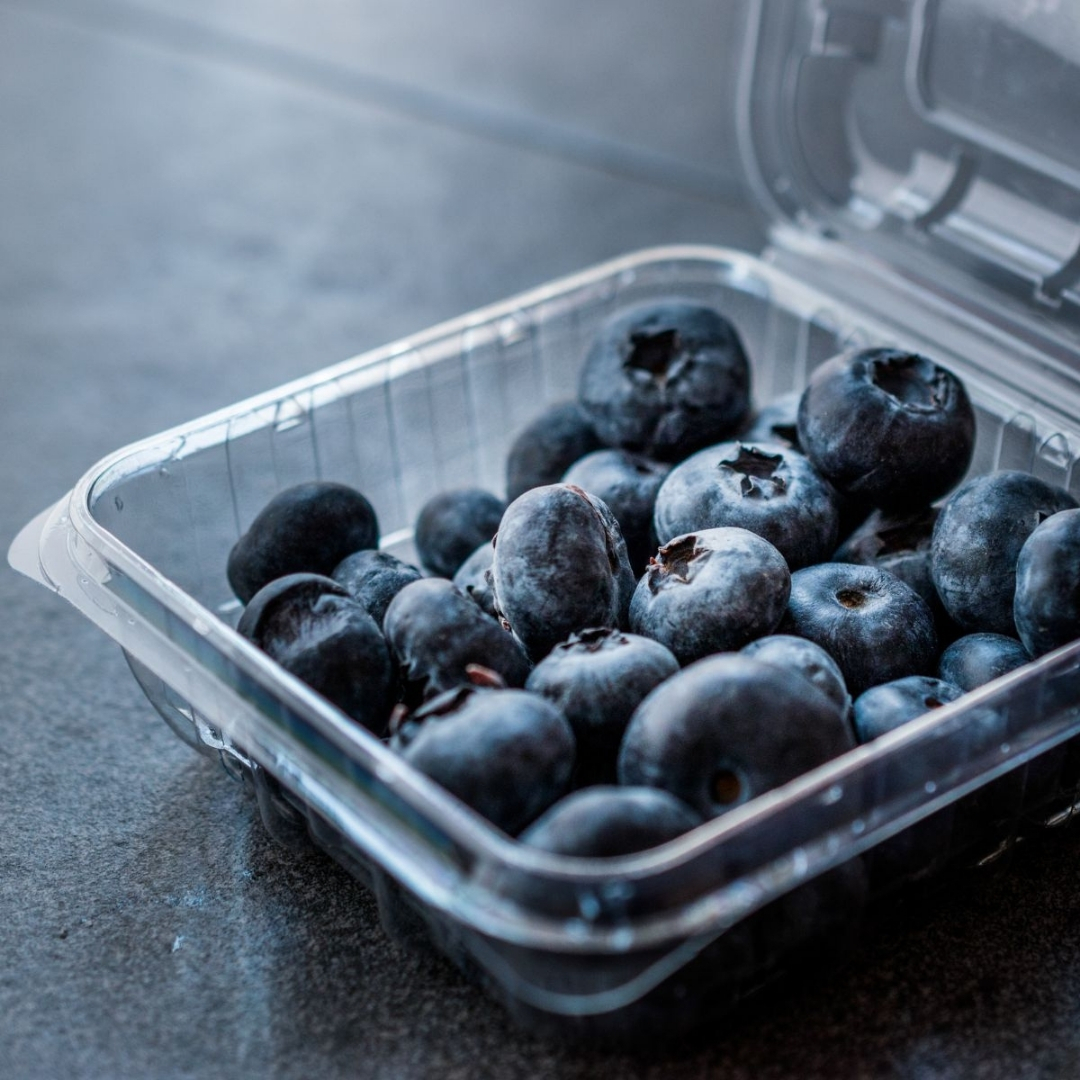
For meat, fish and soft fruit applications, our absorbent pads are designed to meet the requirements of the food industry while also providing end-of-life guidance consistent with the characteristics of the material and the relevant waste-management streams.
This is why we prefer to talk about verifiable characteristics, certifications and defined conditions of use. Clearer environmental communication starts from there.