

Protection, lightness, and versatility: why airlaid is the ideal choice for protective packaging
Keeping fragile items safe during transport is a priority for many businesses.
Airlaid is increasingly used in protective packaging because it combines absorbency, strength and versatility.
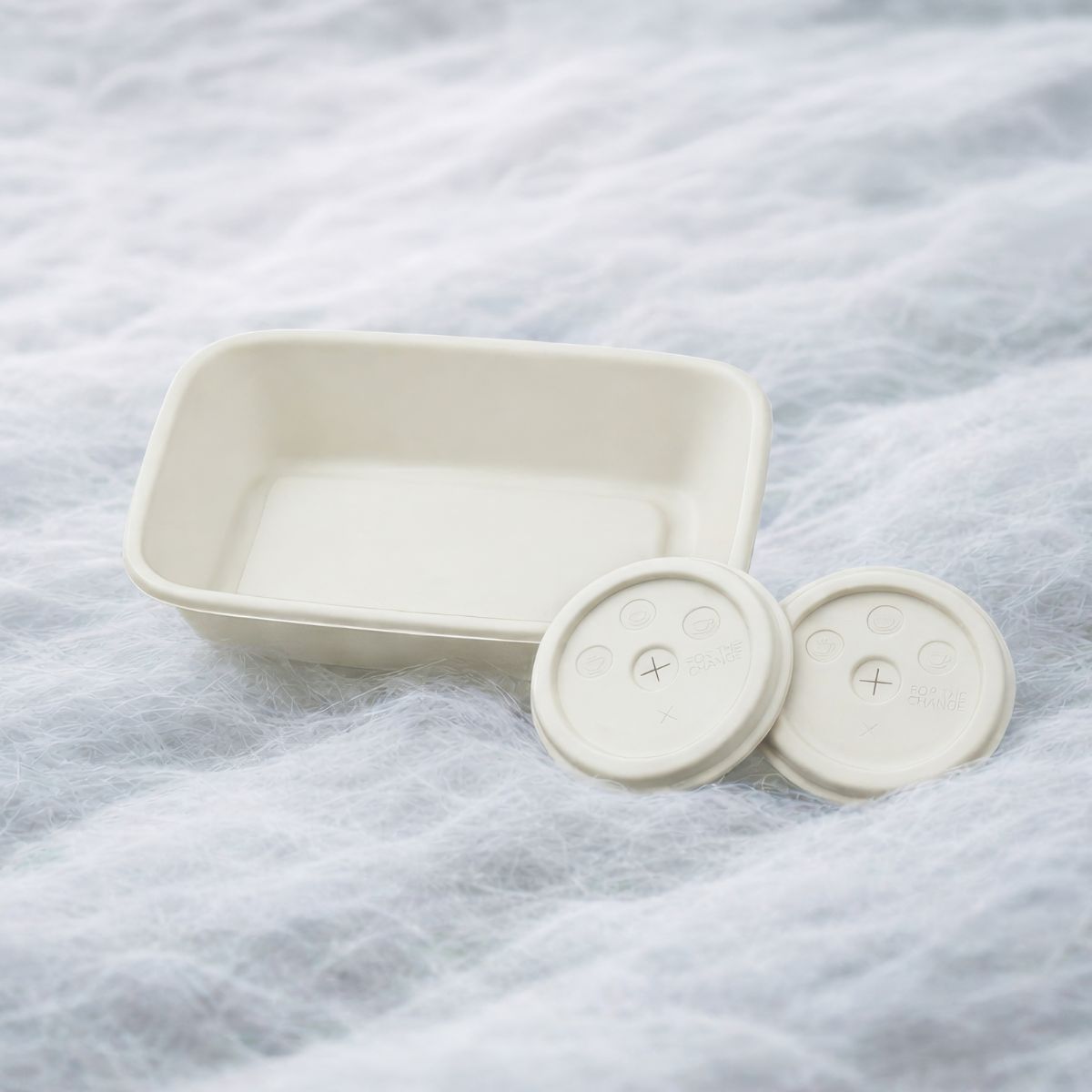
Recent developments in dry-molding technology have further expanded the ways airlaid can be used, making it possible to create three-dimensional formats and structured packaging components.
The properties of airlaid in packaging
Made primarily from cellulose fibres, airlaid has a number of properties that make it particularly suitable for protecting products throughout logistics and distribution.
- High absorbency: its porous structure efficiently absorbs liquids, preventing damage caused by spills or condensation.
- Softness and flexibility: it wraps around objects without scratching them, adapting to various shapes and sizes.
- Strength and durability: despite its low weight, it is robust and resistant to tearing and puncturing.
- End-of-life: its characteristics depend on the composition and on the specific airlaid solution being used.
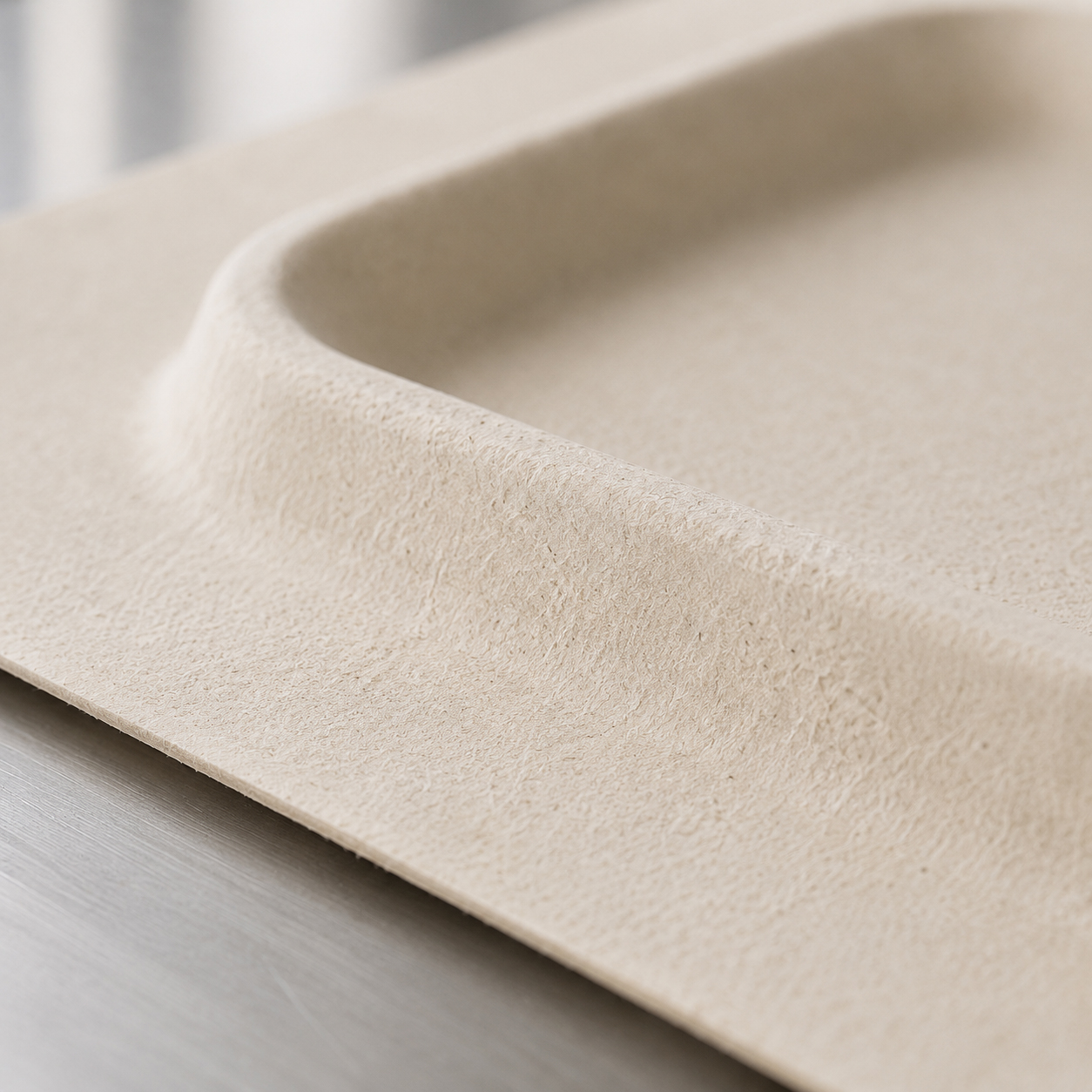
With dry-forming technology, airlaid can also be shaped into three-dimensional forms, extending its use beyond traditional flexible packaging.
Applications in protective packaging
Airlaid is widely used to enhance product safety and integrity during transport.
- Protection for fragile items: it can wrap and cushion glass, ceramics, electronic devices and other delicate products, helping reduce the risk of scratches or breakage.
- Absorbent layer: used inside boxes and containers, it can help protect the contents from accidental liquid spills.
- Three-dimensional packaging with dry-molding technology: it can be formed into trays and shaped supports as an alternative to rigid plastics and paperboard-based materials, providing protection through structures designed around the product they need to contain.
Adavtages compared with traditional materials
Compared to polystyrene, bubble wrap, or conventional paperboard, airlaid offers tangible benefits in terms of efficiency and application flexibility.
- Lower weight: it can help reduce shipping weight and optimise storage space.
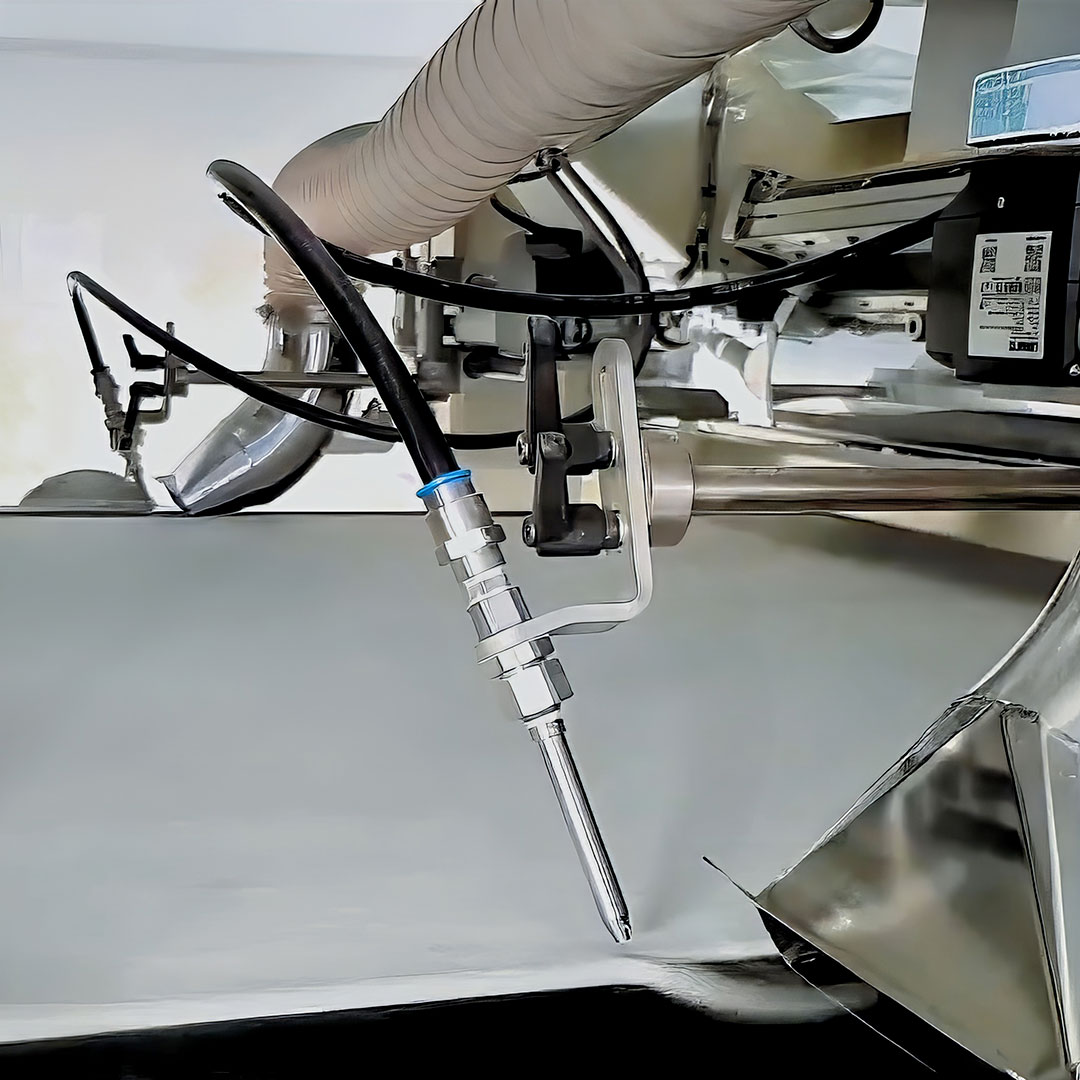
- Dry process: airlaid production does not include the water-forming and subsequent drying stages typical of traditional papermaking processes.
- Applications flexibility: beyond flexible packaging, dry-molding technology makes it possible to produce structural packaging components with fast production cycles and lower overall material waste.
A different approach to protective packaging
Using airlaid in protective packaging broadens the options available for protecting products during handling and transport.
The ability to use the same technology in both flexible solutions and shaped packaging makes it possible to tailor the material more closely to specific application requirements while maintaining effective product protection.
Good packaging often goes unnoticed, but its effect is clear: with airlaid, lightness, protection and formability can all be built into the same material.