

Food packaging and food waste: the role of protection
When food is thrown away before it can be eaten, more than its economic value is lost. Water, energy, raw materials and labour have already gone into producing, processing and distributing it. All those resources have been used for food that will never reach the table.
Food waste has many causes and occurs throughout the supply chain. Fresh foods are especially vulnerable to spoilage, and packaging and storage conditions can affect how much of the food produced is eventually consumed.
Packaging helps protect food at different stages of the supply chain. This protective role is worth considering when assessing its environmental impact.
Food waste across the supply chain
According to Eurostat, the European Union generated around 57.9 million tonnes of food waste in 2024, equivalent to 129 kg per person. Households accounted for 53% of the total, with the remainder coming from primary production, food processing, retail and food services.
These figures include inedible parts of food, but they show the scale of waste across the supply chain.
Damage during handling, poor storage conditions, spoilage and difficulties in managing the quantities purchased can all lead to food being discarded.
Not all these problems can be prevented through packaging. However, a pack designed around the needs of a particular food can help prevent some losses, especially during transport and distribution.
Different foods need different forms of protection
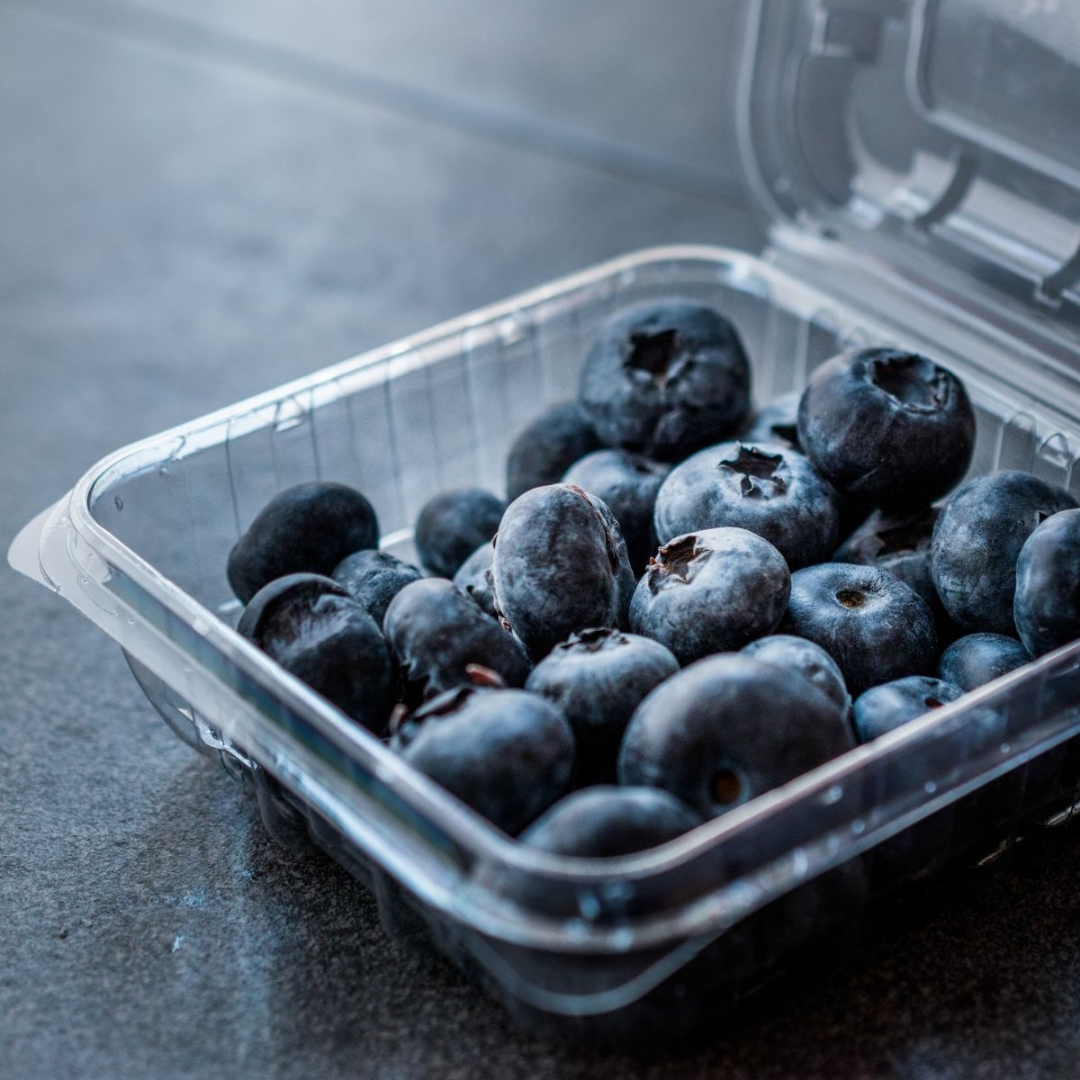
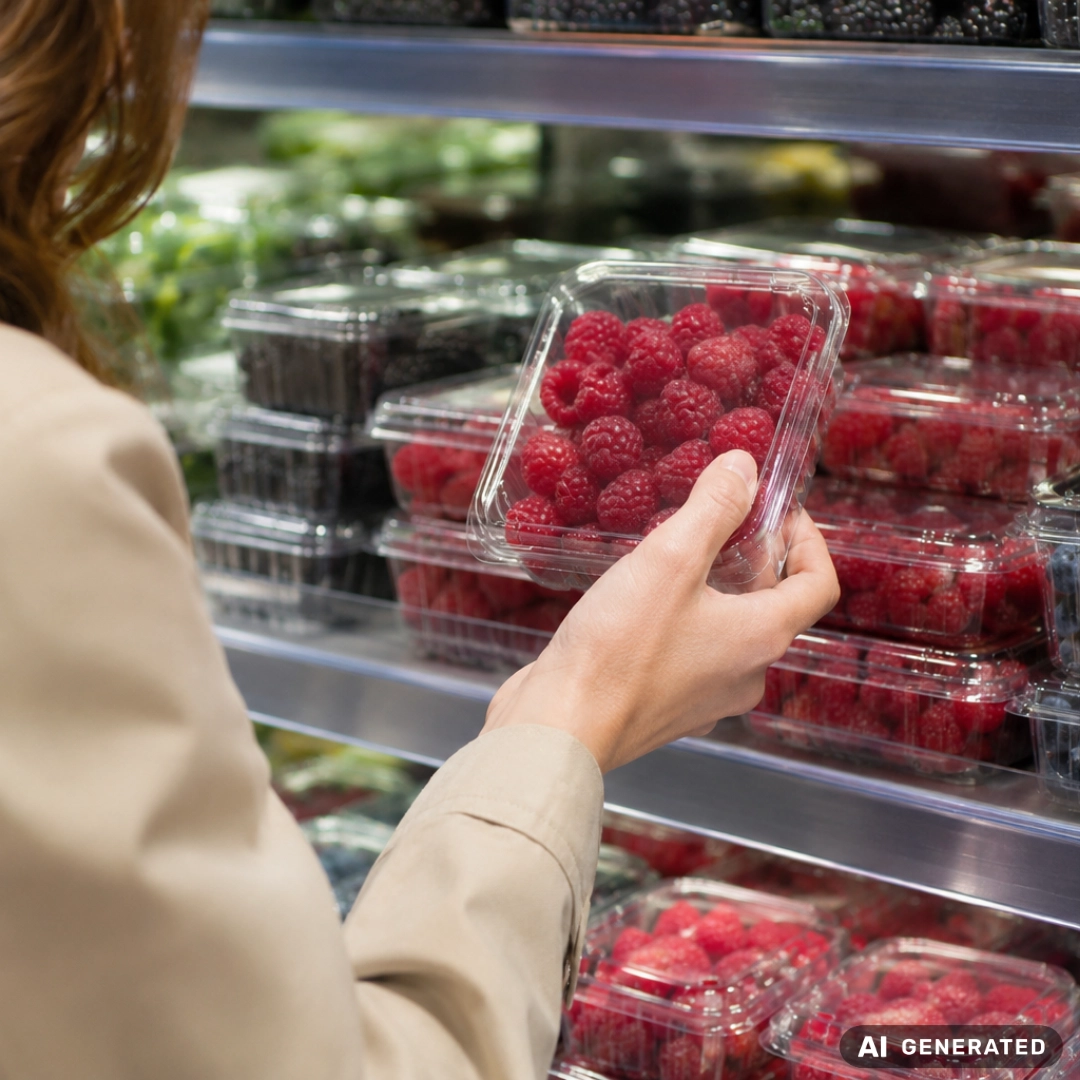
A punnet of berries needs a different type of packaging from a pack of meat or fish.
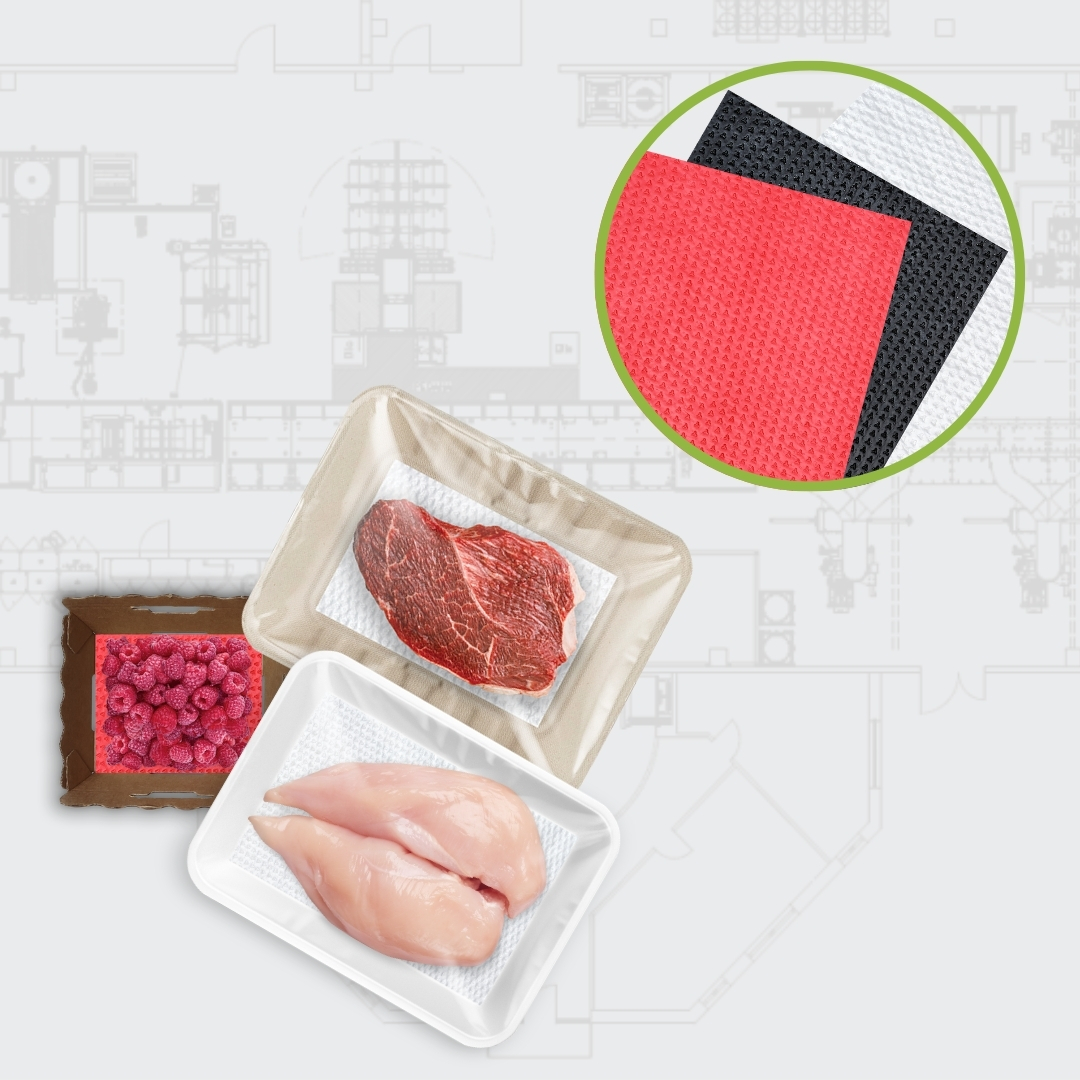
Berries are delicate and need protection from impacts and damage during handling. For meat and fish, hygiene and maintaining the correct temperature are essential for safety and preservation. Other foods may deteriorate when exposed to oxygen, moisture or light.
These differences influence the choice of materials, pack structure, barrier properties and closure systems.
Suitable packaging can reduce physical damage and, under certain conditions, help extend a product’s shelf life.
The FAO recognises the role of packaging in preventing food losses, while also highlighting the environmental impacts of the materials used.
How much packaging material is needed to protect food?
Making a pack lighter, reducing material thickness or removing unnecessary components reduces the amount of material used. Whether these changes also reduce environmental impacts depends in part on how well the pack continues to perform.
A lighter pack still needs to withstand the demands of transport and provide the protection the food requires. If these functions are compromised, the risk of spoilage before consumption may increase.
Pack size also affects how food is managed, particularly at home. Choosing a format suited to consumption needs can help people buy more appropriate quantities, while resealable packs and clear storage instructions can make food easier to handle after opening.
Packaging design also needs to consider how food is stored and handled once it reaches the consumer’s home.
Materials and technologies for food preservation
Research into food packaging includes the development of materials and solutions designed to meet different preservation needs.
Some technologies help control oxygen or moisture levels inside a pack. Others monitor conditions during transport and storage, providing information about how the product has been kept.
Material selection also involves food safety and what happens to the packaging after use. Recovery and recycling depend on the materials and structure of the pack, as well as the collection and treatment systems available.
Considering food and packaging together
Assessing the environmental impact of food packaging means looking at the entire packaging system, from material production to what happens after use. It also means considering how the pack may affect food preservation.
Using less material does not necessarily mean a lower overall environmental impact. Nor does better protection automatically justify using more resources.
Reducing the amount of material used in packaging and preventing food waste are goals that need to be considered together.
Sources
Eurostat (2026) Food waste in the EU: 129 kg per person in 2024
FAO (2024) Food safety in a circular economy
FAO (2021) Reduce, reuse, recycle: a mantra for food packaging