


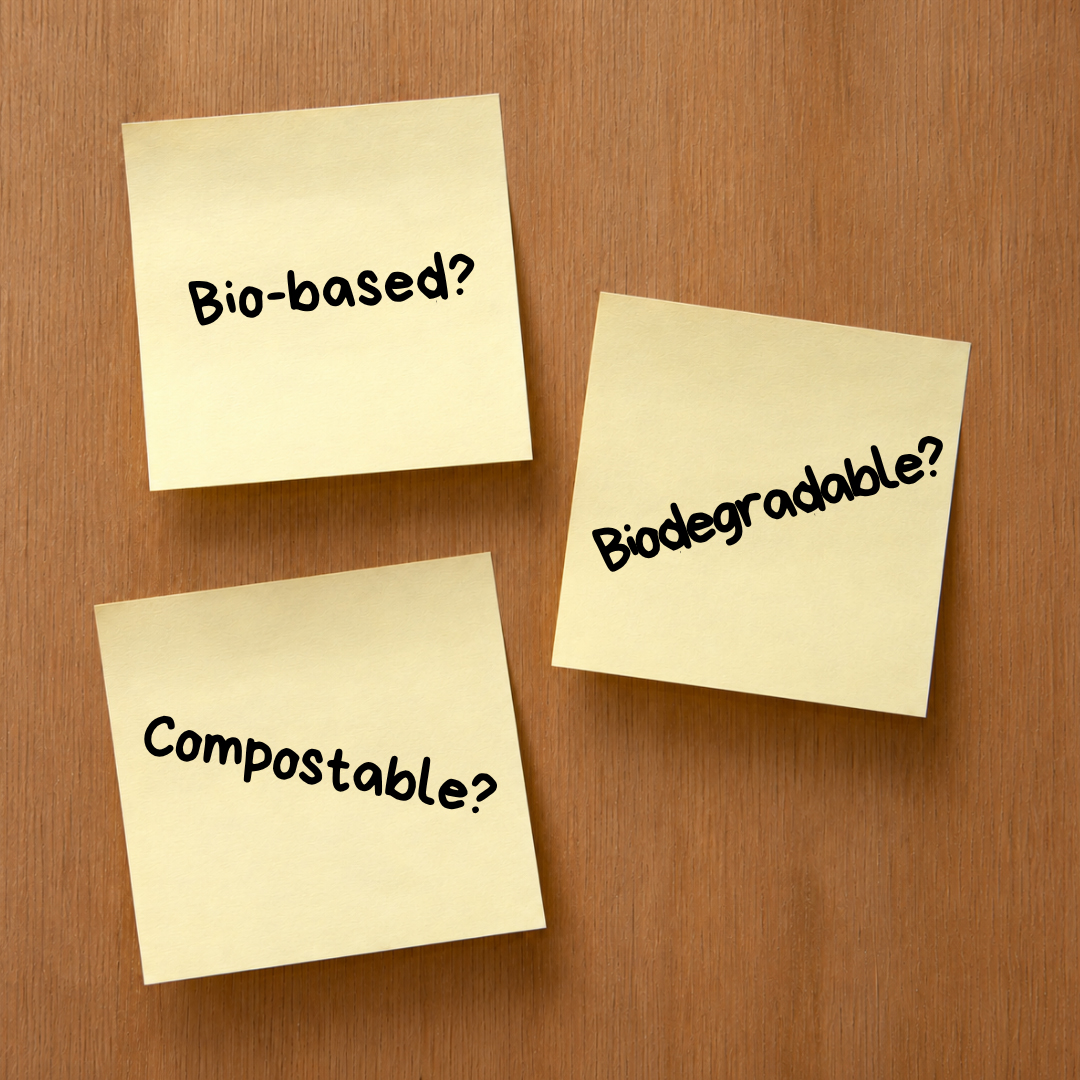
Getting to know bio-based, biodegradable, and compostable materials
Bio-based, biodegradable and compostable are often confused. Understanding the differences is essential for correct end-of-life management.


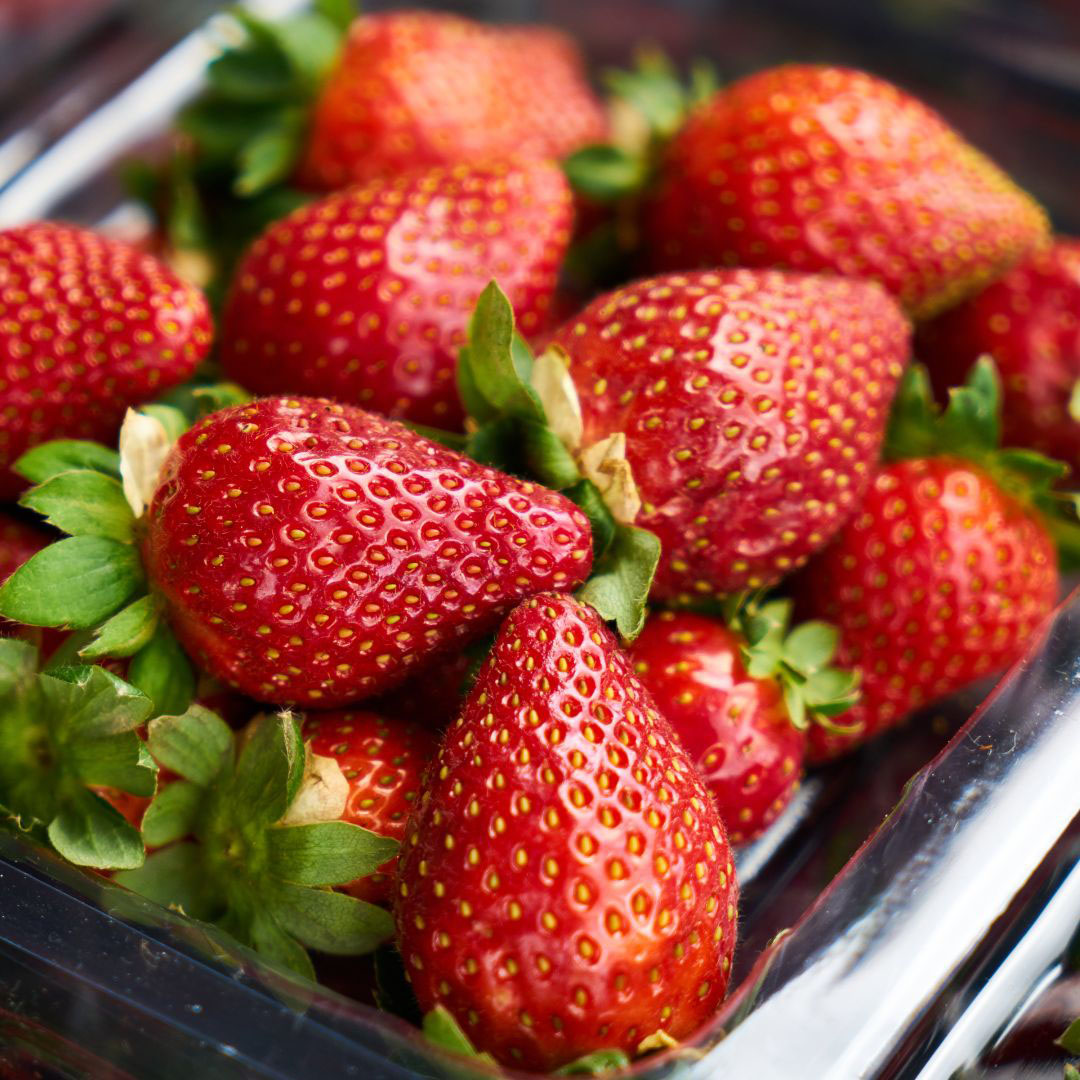
Extended freshness for strawberries: G-pad extends shelf life by 50% (our test results)
A test conducted by Magic produced a significant result: the use of G-pad, the absorbent pad certified OK Compost Industrial, extended the shelf life of strawberries by 50% compared with samples stored without a pad. The comparative test was carried out according to a methodology defined by researchers in our R&D laboratory.

Food packaging evolution: the first and second Industrial Revolutions
The period between the first and the second Industrial Revolution showed a fundamental transformation in food packaging, moving from simple and functional solutions to more complex and marketing-oriented systems.
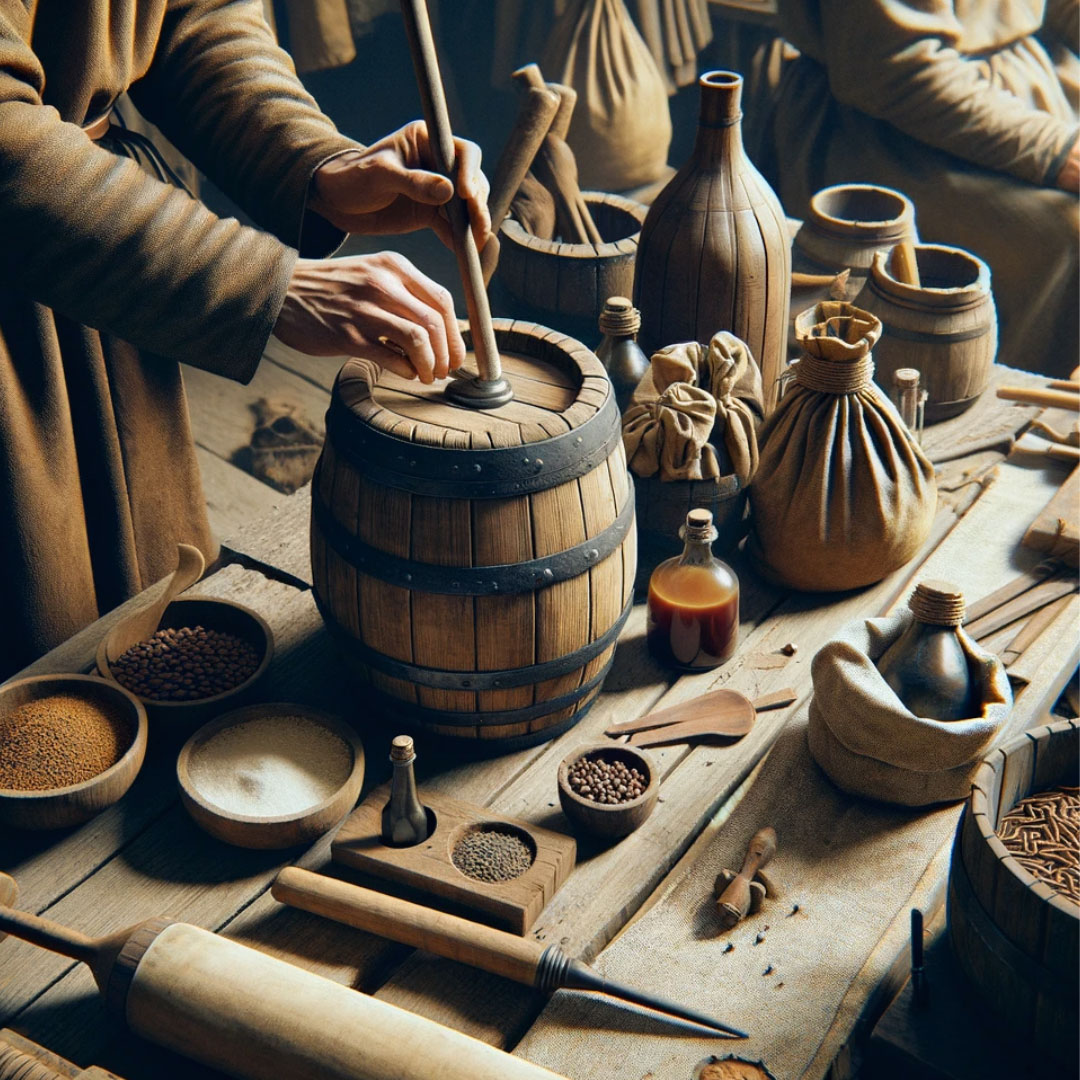
The evolution of food packaging: a journey back to the Middle Ages
In the Middle Ages the development of long-distance made packaging a vital component for subsistence and the economy. The techniques used to package and store the food reflected a balance between the accessibility of materials, practicality of use, and the ability to keep food edible for as long as possible.

The evolution of food packaging: a journey through Egyptian, Greek and Roman antiquity
These three major ancient civilizations left a significant legacy in the history of food packaging. Their techniques and materials influenced the centuries to come, showing how the art of packaging was crucial not only to food preservation but also to the trade and culture of past ages.
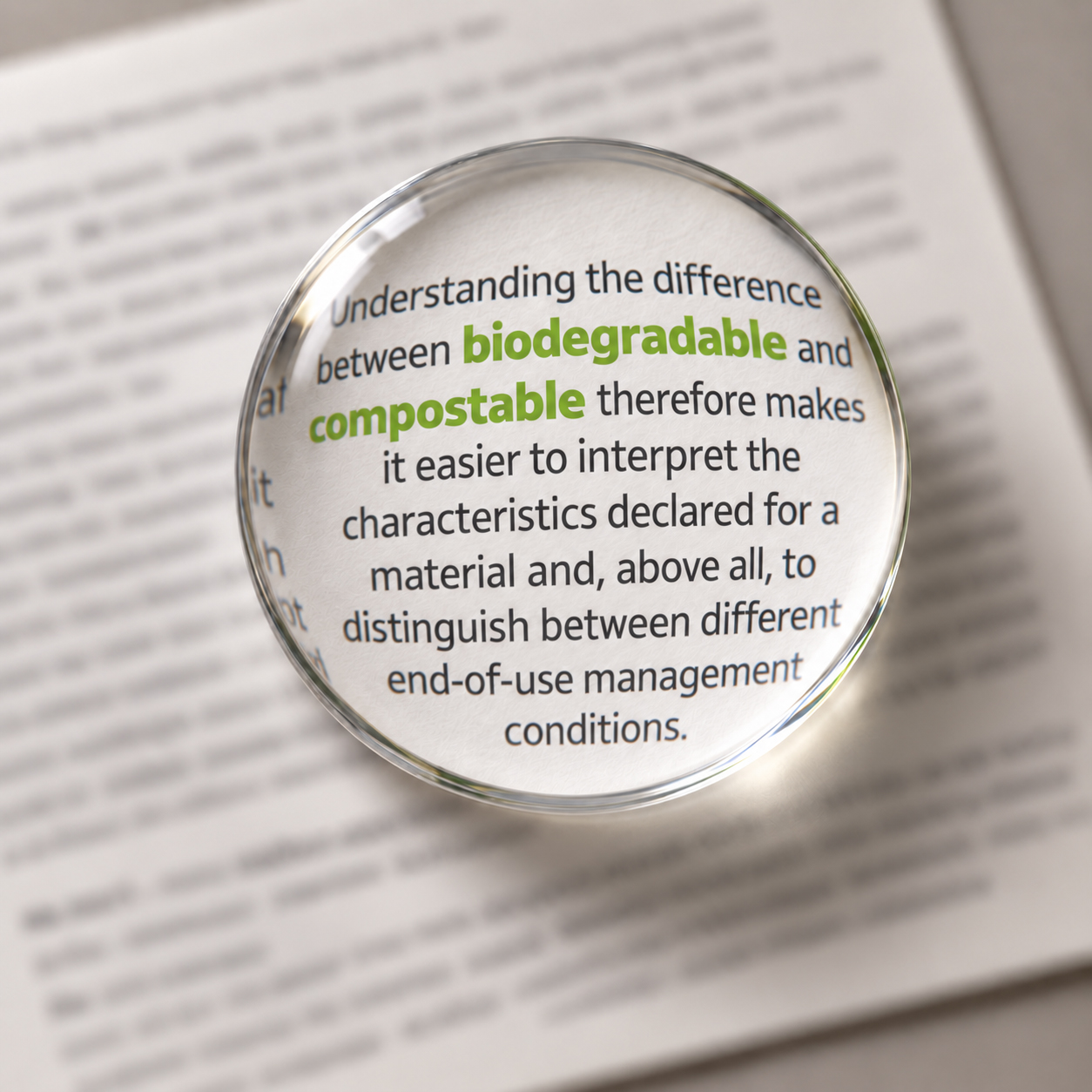
What is the difference between biodegradable and compostable?
When it comes to sustainability and waste management practices, consumers often mistake compostable with biodegradable and think they are the same. Let's see the difference.