

Life Cycle Assessment: a method for evaluating the environmental aspects of products and processes
Assessing the environmental aspects of a product or process requires data, a clearly defined scope and a structured method of analysis.
One of the tools used for this purpose is Life Cycle Assessment, or LCA.
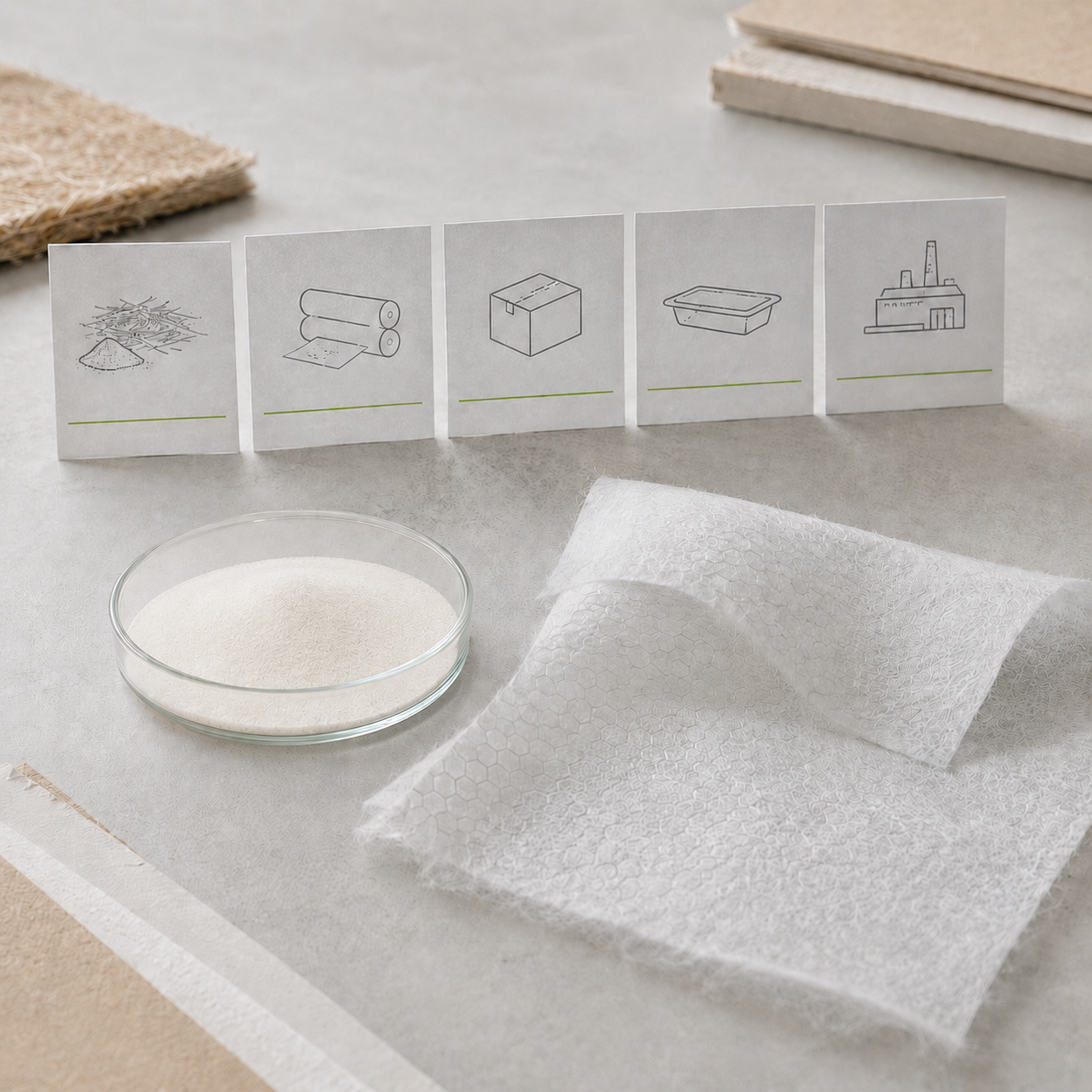
It is an internationally recognised method used to evaluate the potential environmental impacts associated with a product, service or process across the life-cycle stages included within the scope of a study. Depending on the goal and scope defined, the assessment may cover raw material sourcing, production, distribution, use and different end-of-life options.
What Life Cycle Assessment measures
LCA is based on the principles and requirements set out in ISO 14040 and ISO 14044. It can be used to assess different categories of potential environmental impact across the life-cycle stages considered, according to the goal and scope defined for the study.
Among other aspects, the analysis can include data on energy and resource use, emissions and waste generation.
The results can help identify the stages, materials or processes that contribute most to the environmental indicators considered, while also highlighting possible areas for improvement along the value chain.
How LCA can support design choices
Applying the method during the design phase can inform the selection of materials and production processes.
By analysing the data, different alternatives can be compared on the basis of the indicators considered and the scope defined for the study. The results can also support assessments related to energy use, waste generation and different end-of-life scenarios.
The role of Life Cycle Assessment in environmental policies
Life-cycle thinking is also used in the development of environmental policy tools and criteria because it makes it possible to consider effects associated with different stages in the life of products and services.
LCA can also support the development of tools used to communicate specific environmental performance. Some environmental labelling schemes include criteria that may draw on life-cycle considerations, according to the requirements of each individual scheme.
Magic’s LCA project
Magic has launched an LCA project with the support of CNR-STIIMA – the Institute of Intelligent Industrial Technologies and Systems for Advanced Manufacturing – beginning with the study of Spongel and Airgel g-grade, materials produced by Magic and certified OK Compost Industrial in the configurations covered by the relevant certificates.
An analysis of this kind develops through successive stages. Data collection and quality, scope definition and interpretation of the results all require verification and, where necessary, adjustments to the initial assumptions.
At this early stage, the assessment is allowing the first data to be collected on the environmental aspects associated with the materials and processes considered. The following stages of the study will make it possible to explore these results in greater depth within the scope defined for the LCA.
This information may then provide a basis for identifying possible areas for improvement.
It is a process built around data, verification and successive stages of analysis, with the aim of developing an increasingly detailed understanding of the environmental aspects associated with choices involving materials and processes.