


The hygiene industry looks ahead: Andritz’s bio-based diaper prototype with Magic
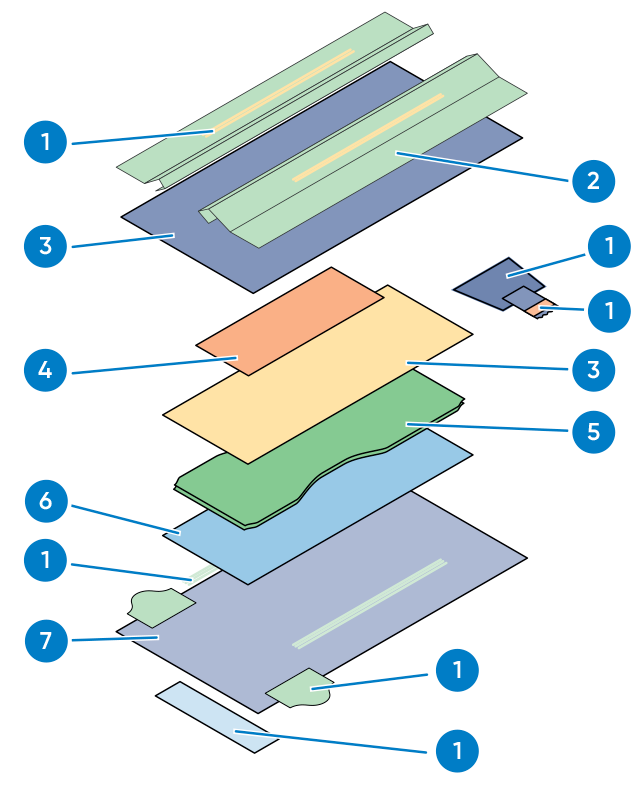
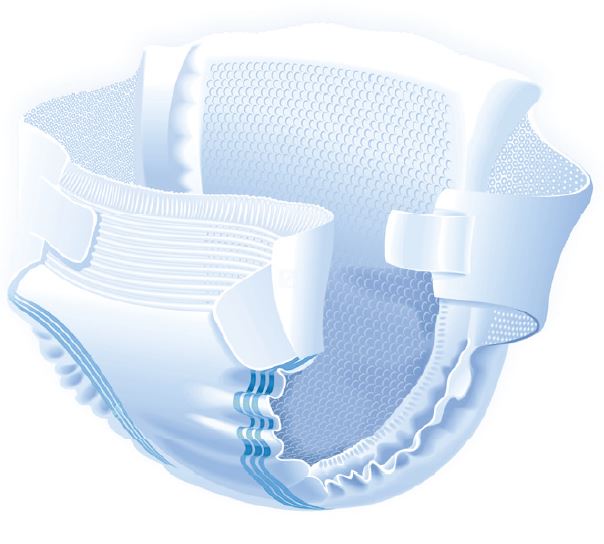
A diaper is a complex product. Topsheet, liquid distribution layers, absorbent core, backsheet, elastic components and fastening systems all need to work together and deliver the required performance during use.
This is the structure Andritz worked on together with Magic and other companies in the hygiene industry to develop the BIO-BASED CONCEPT BABY DIAPER, a prototype made with 90% bio-based materials.
The project brings together technologies and materials developed by companies with different areas of expertise, with the aim of assessing how they can be integrated into the structure of a complex absorbent product.
A project developed component by component
Andritz, an Austrian company specialising in technologies and processes for nonwoven production, involved several companies from across the hygiene supply chain in the project.
The work focused on the individual elements that make up the diaper and on their integration into the final product. Different materials and technologies were therefore assessed according to the function each layer needs to perform.
The result is a prototype in which 90% of the materials used are bio-based, while keeping requirements such as absorbency and functionality at the centre of the design.




The role of Spongel in the absorbent core
Among the materials used in the prototype is SPONGEL, the superabsorbent powder developed by Magic.
Spongel is used in the absorbent core together with cellulose pulp. Its function is to absorb and retain liquids, contributing to the performance required from this part of the diaper.
The material is cellulose-based and contains 85% organic material. In the configurations covered by the relevant certificate, Spongel is certified OK Compost Industrial by TÜV Austria for industrial composting.
The compostability characteristic therefore refers to the specific material and the scope of its certification and is not extended to the diaper as a whole.
How the prototype is structured
- Elastic elements and closing: organic-based spunlace nonwoven and bioplastic fasteners.
- Leg cuff: spunlace nonwoven with hydrophobic regenerated fibres.
- Top sheet: spunlace nonwoven with a blend of hydrophobic and hydrophilic non-synthetic fibres.
- Liquid distribution layer:spunlace nonwoven with a blend of coarse hydrophobic and hydrophilic non-synthetic fibre
- Absorbent core: cellulose pulp and SPONGEL
- Back film: starch-based bio-plastic film
- Back nonwoven: spunlace nonwoven made from non-synthetic fibre.
The structure shows how the design of an absorbent hygiene product depends on the interaction between materials with different characteristics and functions.
Bio-based: what the term describes
In the Andritz project, the 90% figure describes the proportion of bio-based materials used in the prototype.
It is important to distinguish this characteristic from those concerning what happens to materials after use. The bio-based origin of a material does not automatically determine its biodegradability, compostability or how it should be managed at end of life.
Similarly, the characteristics of an individual component cannot automatically be attributed to the product as a whole.
In the case of Spongel, for example, the OK Compost Industrial certification applies to the material in the configurations covered by the relevant certificate. The prototype, on the other hand, needs to be considered in terms of its overall composition.
From raw material to finished product
Developing a prototype of this kind means working both on the individual materials and on how they interact once incorporated into the product.
In a diaper, changing a component of the absorbent core, topsheet or backsheet can affect the characteristics of the overall structure. Moving from material to finished product therefore requires testing, assessment and expertise from different parts of the supply chain.
The project coordinated by Andritz provides an opportunity to test this integration in a real product, bringing together nonwoven technologies, absorbent materials and components developed by specialised companies.
Magic’s contribution to the project focuses in particular on the absorbent core and the use of Spongel within a structure made largely from bio-based materials.
The prototype therefore provides a test platform for examining how different materials can be combined in a complex hygiene product, while keeping the performance required by the application at the centre of the development process.