


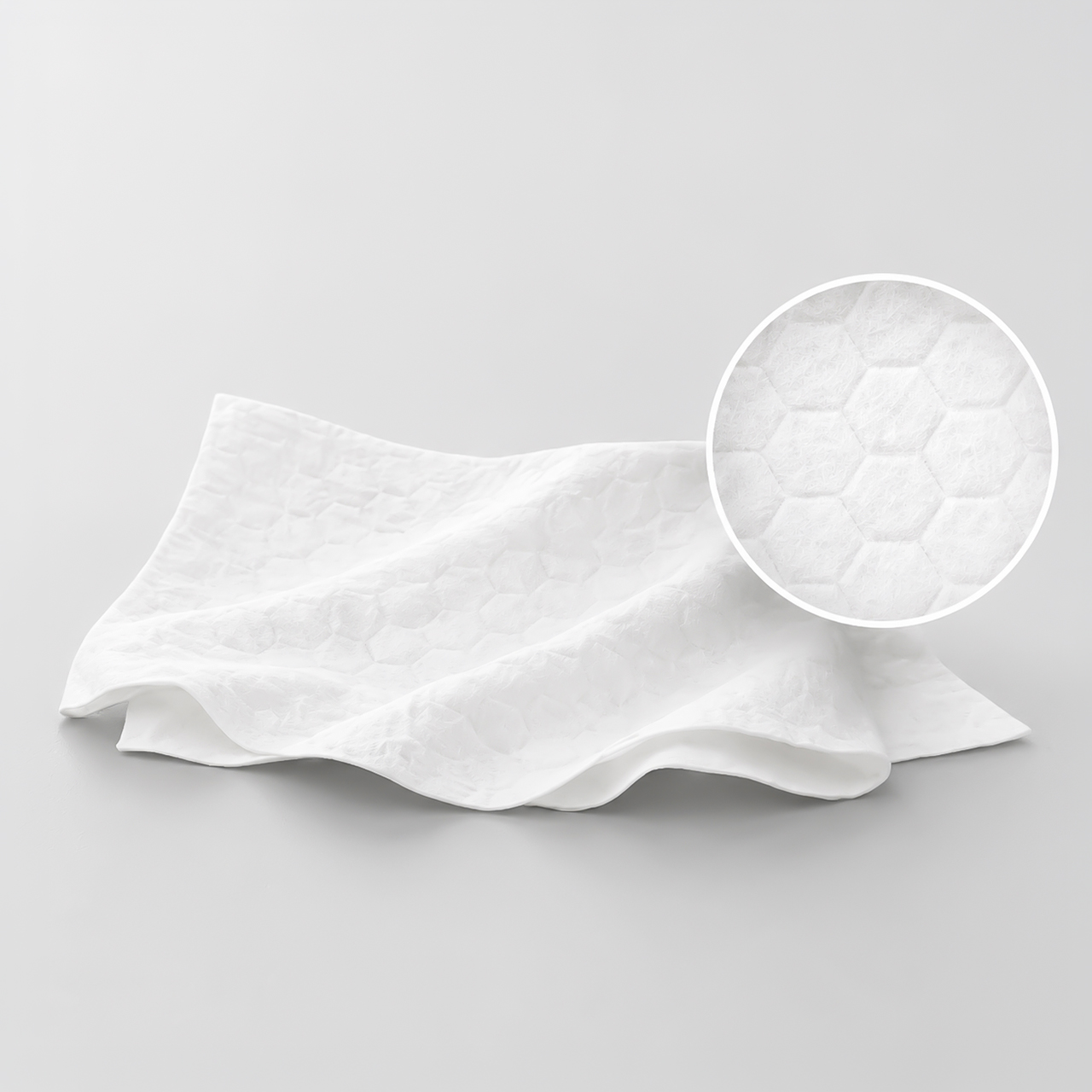
Airgel g-grade: from absorbent capacity to liquid management
Airgel g-grade is Magic’s certified industrially compostable airlaid developed for liquid management over time in hygiene absorbent products. It integrates Spongel, the compostable certified SAP patented by Magic.



Spongel and Airgel g-grade: comfort and health for light incontinence
Airlaid is the most used material as the absorbent core in hygiene products for light incontinence. Magic developed Spongel and Airgel g-grade, both certified OK Compost Industrial. Used within the absorbent core, they improve the performance of the standard product by quickly absorbing and retaining leaks.
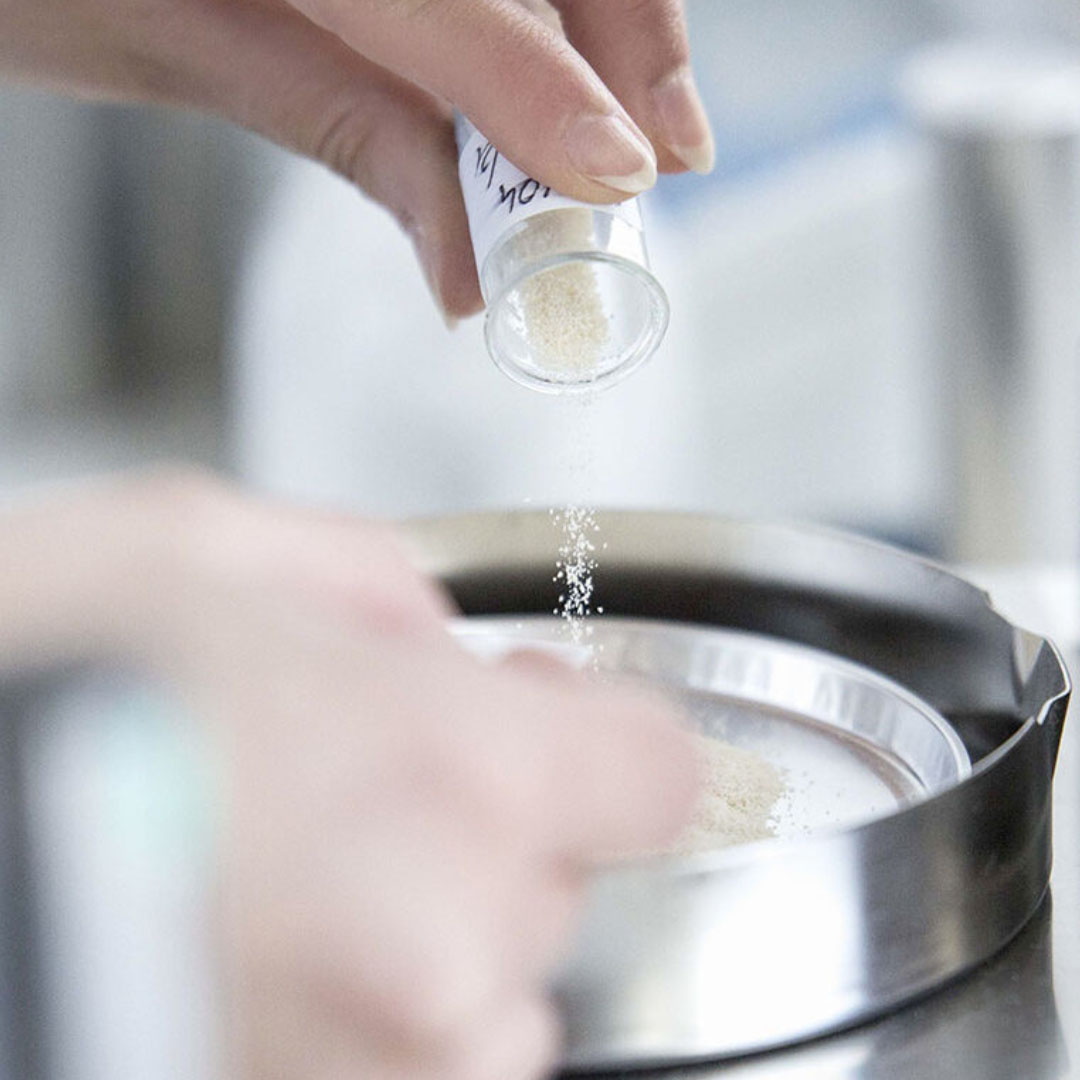
Spongel: a step forward in the development of superabsorbent materials
Magic’s response to the growing need for alternatives to petroleum-derived SAPs and those based on chemical polymers is Spongel, a super-absorbent powder which is Ok Compost Industrial certified for industrial composting.
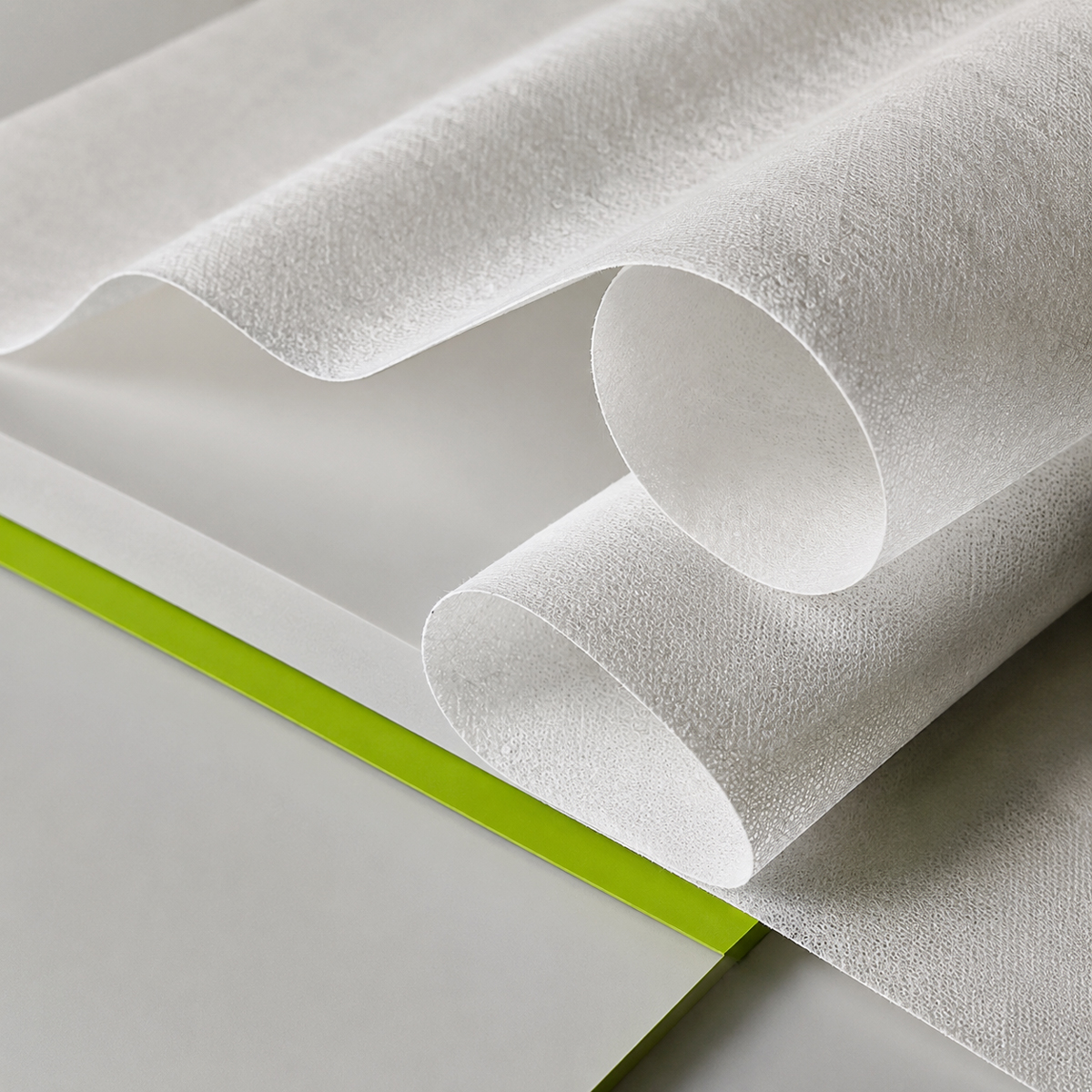
Airgel g-grade: answers to the most frequently asked questions about airlaid certified for industrial composting
Discover Airgel g-grade, Magic’s airlaid material certified for industrial composting, with answers to the most frequently asked questions about its features and applications.

Super-absorbent powders: what they are and how they work.
Super-absorbent powders are a key component in a wide range of products, from baby nappies and adult incontinence pads to medical products and food packaging.

Airlaid Nonwovens Report: Magic among the main players for production lines investments
The Nonwovens Industry annual report lists Magic as one of the three companies worldwide that have invested most heavily in innovation and technology over the past year.
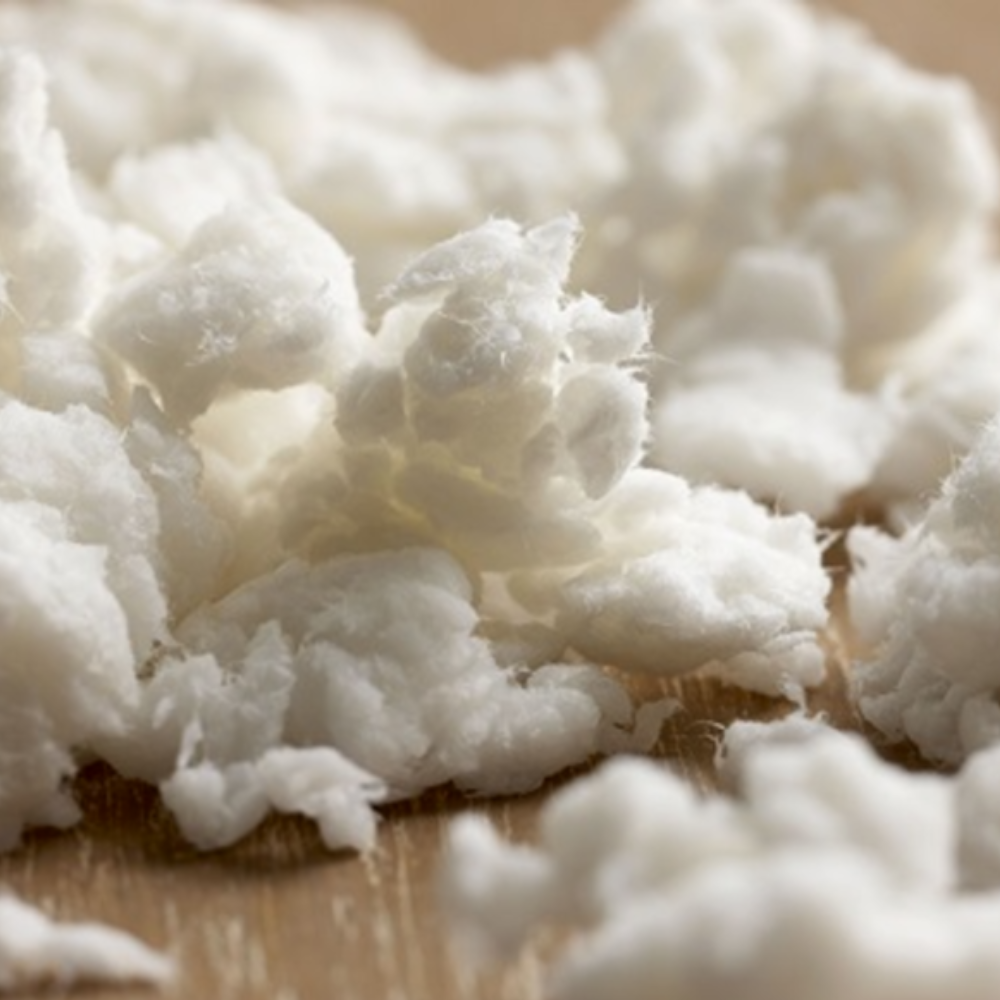
What is airlaid?
Airlaid is a fabric-like material made of natural wood fibres, showing high strength and absorbency, which is widely used for many everyday products-
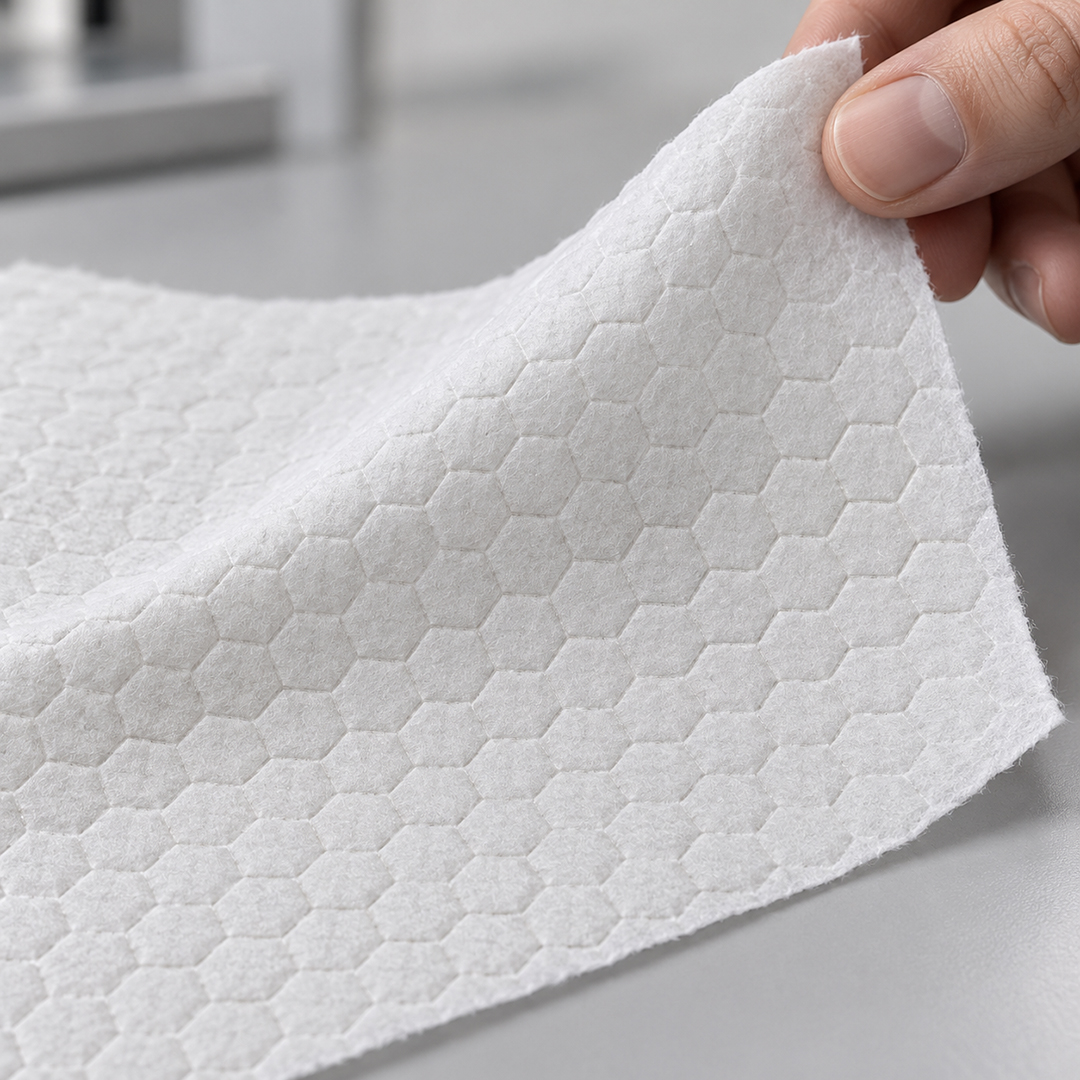
Airgel g-grade. The airlaid certified for industrial composting is here
Airgel g-grade is the new airlaid product manufactured by Magic and certified as OK Compost Industrial by TÜV Austria. It is the result of a research and development programme that began in 2015 with the Spongel patent.