


Soft fruit, delicate balance: managing moisture and the pack microclimate
In the packaged soft fruit market, packaging plays an active part in preservation. It helps protect the product and maintain until it reaches the point of sale.
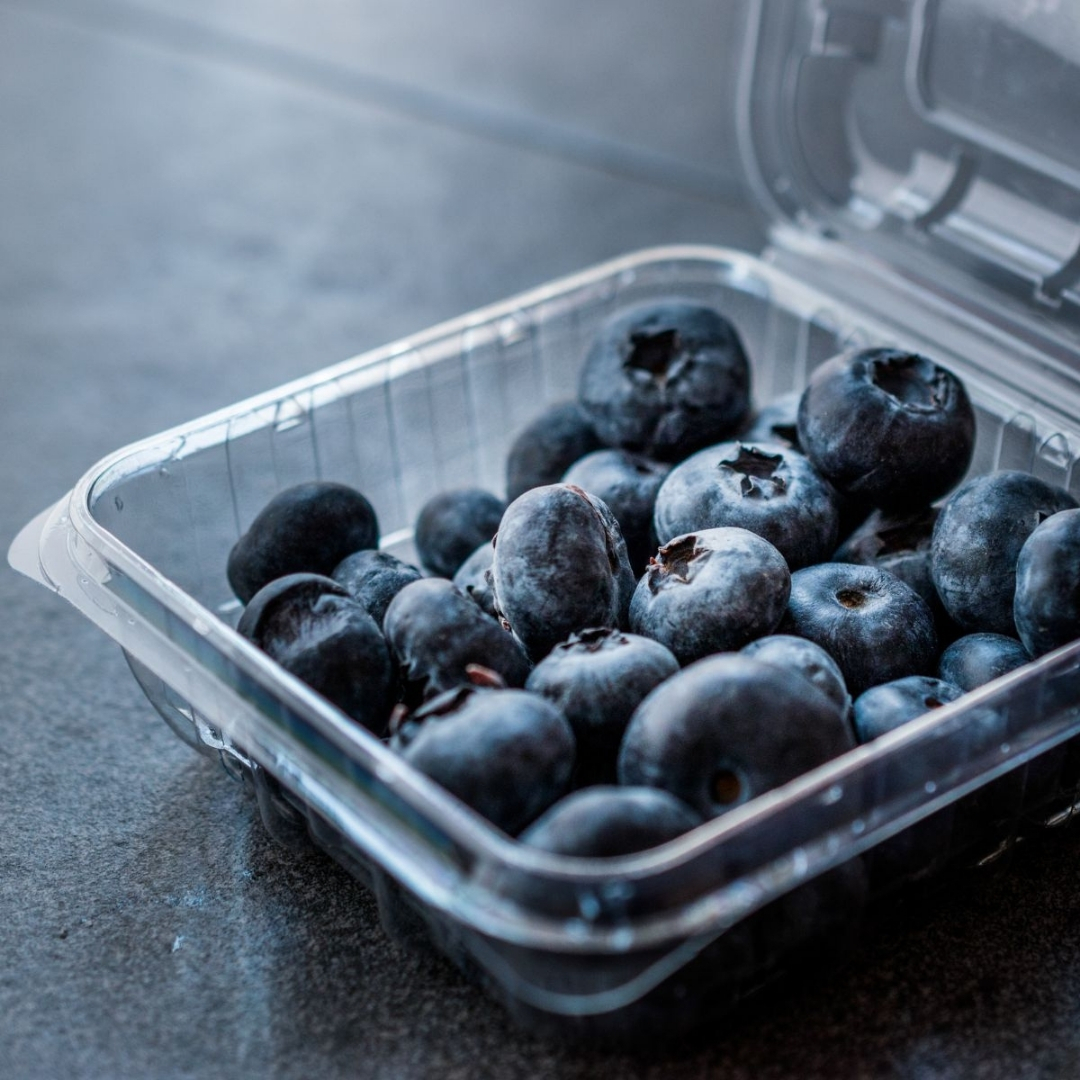
Strawberries, raspberries, blackberries and blueberries contain more than 90% water and have extremely delicate tissues.
Even after harvesting they remain physiologically active and continue to respond to the conditions inside the pack.
This makes moisture management an important part of maintaining commercial quality and handling the product correctly throughout the supply chain.
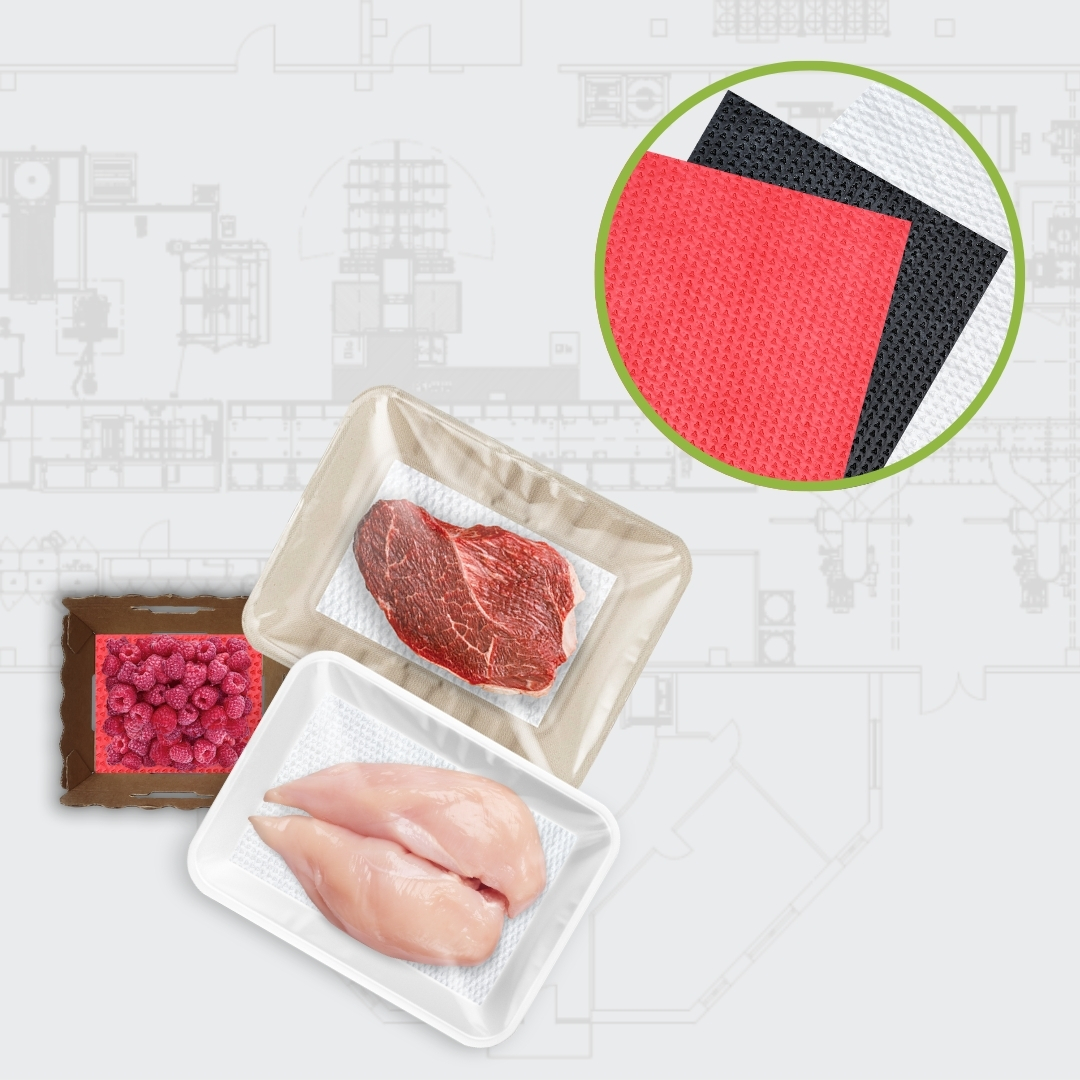
This is where Paperpad comes in: a cellulose-based recyclable absorbent pad for soft fruit, designed to help the pack manage the moisture released around the product.
Delicate tissues and transpiration: when moisture becomes a problem
From a technical perspective, soft fruit has high respiration and transpiration and respiration rates.
Respiration contributes to the fruit’s natural deterioration, while transpiration releases water vapour that can quickly increase humidity inside the pack.
Transport adds another variable. Vibration and impact can cause small, often invisible lesions in the fruit tissue, with consequent leakage of cellular juices.
If this moisture is not managed, droplets and small amounts of juice can collect at the bottom of the tray and affect both the fruit and the pack.
Paperpad is designed to absorb excess moisture and released juices, helping keep the contact area drier.
Managing condensation inside the pack
Temperature fluctuations inside a tray can cause water vapour to condense, creating free water around the fruit and accelerating tissue maceration.
Paperpad is designed to manage moisture from more than one direction. Its bidirectional absorption does not simply collect liquid at the bottom of the tray: it can also absorb moisture as it moves through the pack by capillary action.
The aim is to keep the contact surface drier without excessively drawing moisture from the fruit, helping preserve its firmness and structure.
Reducing the conditions that favour mould growth
Free water and cellular juices can create favourable conditions for for organisms such as Botrytis cinerea.
A wet fruit surface can facilitate spore germination and the spread of infection through direct contact.
By absorbing free liquids from the tray, an absorbent pad can reduce the amount of moisture available around the fruit and therefore limit some of the conditions that favour microbial development, including during the more demanding stages of transport and distribution.
Operational performance and end-of-life management in food packaging
Material choice also affects what happens to food packaging once it has performed its function.
Paperpad is made from cellulose and has been assessed for recyclability within the paper recycling stream using recognised testing methodologies.
Its design addresses two practical requirements:
- Technical performance: the embossed surface supports rapid absorption and increased liquid retention.
- End-of-life management: the pad structure has been developed for compatibility with the paper recycling stream, according to the Cepi test method, which confirms its suitability for recycling in standard paper mills.
Moisture management throughout the supply chain is far from a minor detail. In soft fruit packaging, it means dealing with one of the product’s inherent physiological characteristics in a more controlled way.
Paperpad helps manage moisture inside the pack and keep the contact area drier, supporting fruit quality through to the point of sale.
At the end of use, its design also considers compatibility with the paper recycling stream.