

Beyond compostability: the future of absorbent materials between innovation and Industry 4.0
In the absorbent materials sector, material characteristics and the way products are intended to be managed after use are playing an increasingly important role in new product development.
Compostability, biodegradability and the origin of raw materials are separate aspects and need to be assessed in relation to product composition and the specific conditions of end-of-life management.
Against this background, bio-based materials are opening up new directions. The long-standing dominance of synthetic polymers is gradually making room for next-generation solutions based on raw materials of biological origin and new formulations.
One example is Spongel, the patented superabsorbent powder developed by Magic and certified OK Compost Industrial, with an absorbent capacity comparable to that of acrylic SAPs.
This is an innovation that starts with material composition and with the search for alternatives to conventional synthetic superabsorbent polymers.
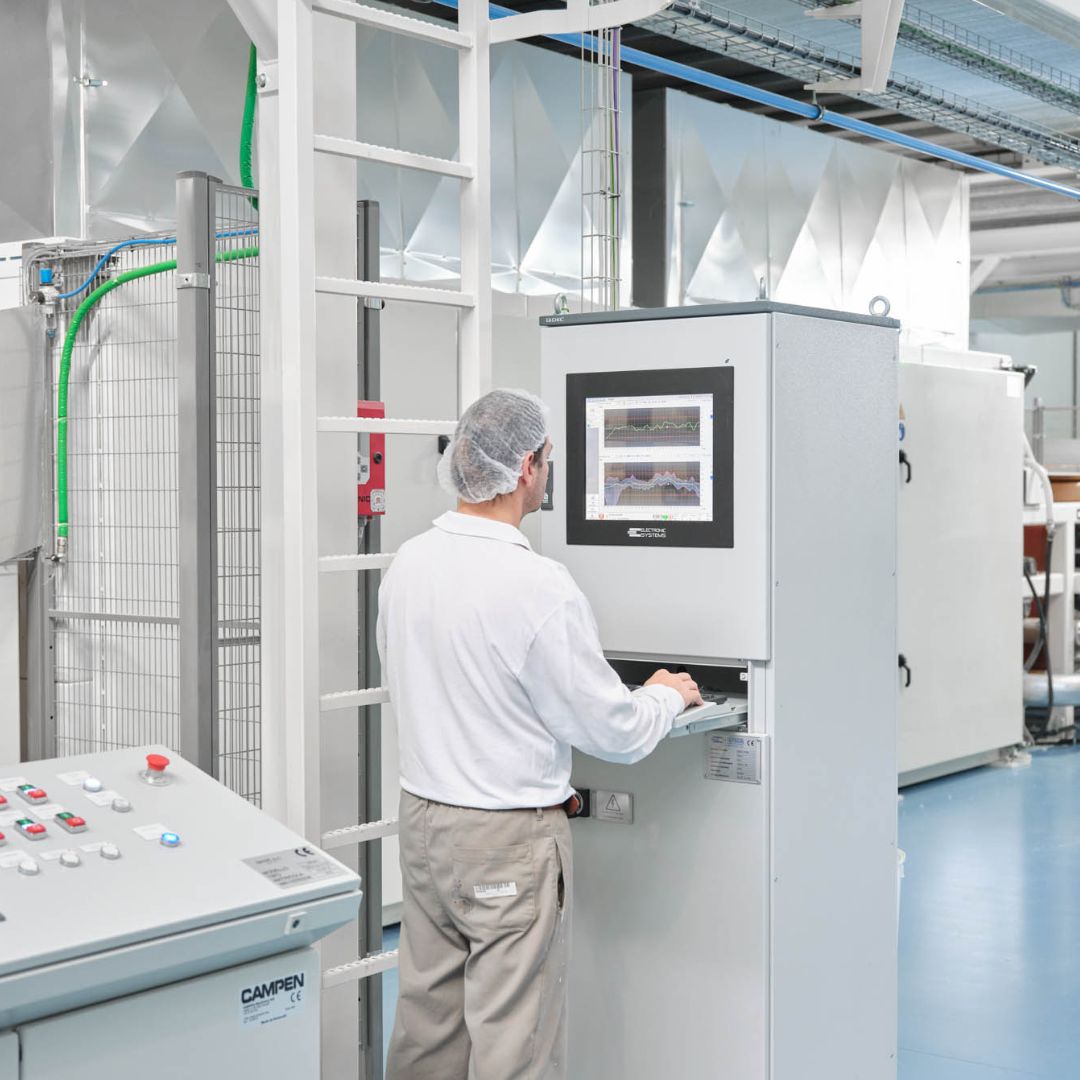
Environmental considerations also extend to production processes. Magic has invested in a production line aligned with Industry 4.0 standards, capable of monitoring energy use and key process parameters in real time.
The same approach also applies to end-of-life design, assessed according to material composition and intended application.
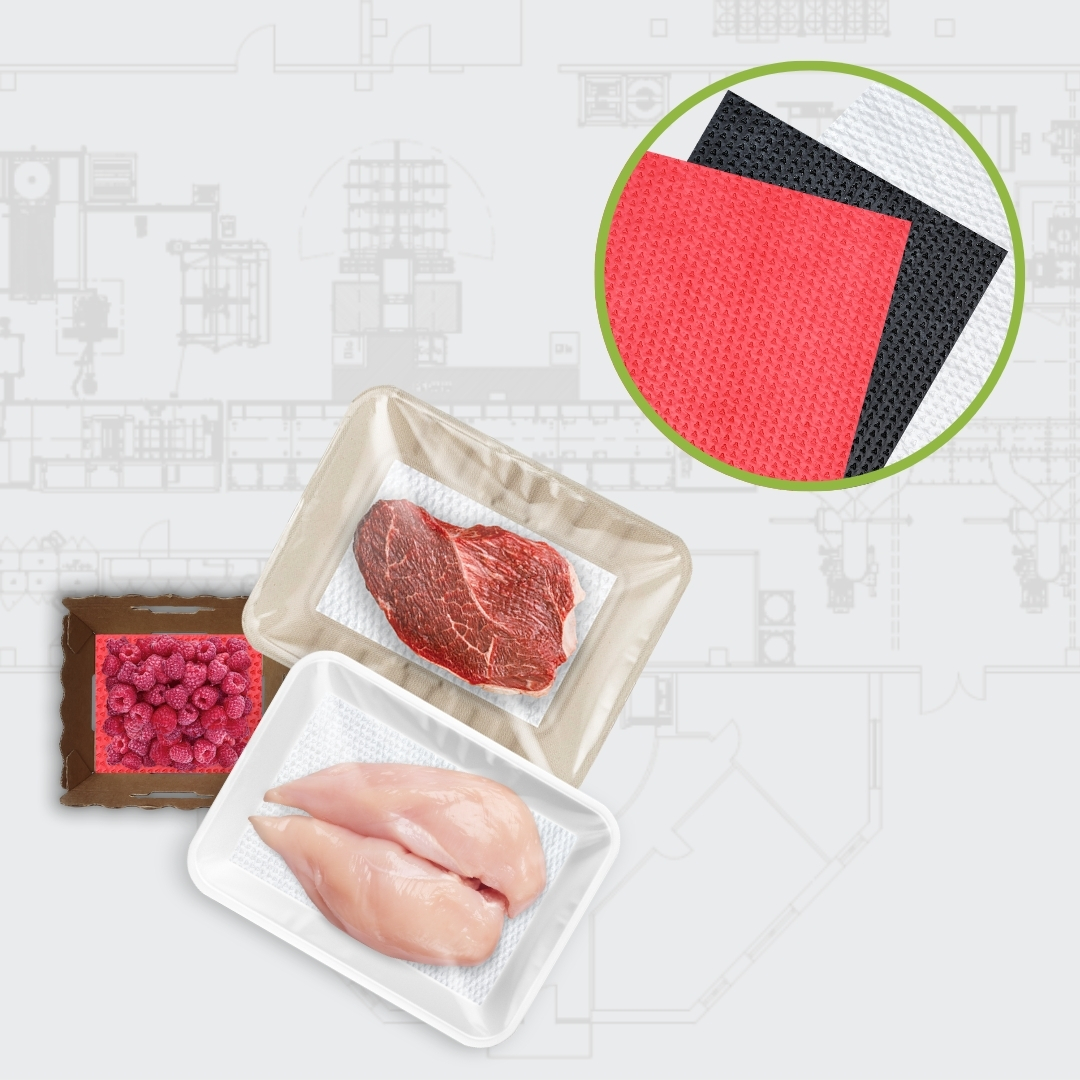
Solutions such as Airgel g-grade, an airlaid certified OK Compost Industrial, together with food pads such as G-pad and Paperpad, developed with different end-of-life characteristics, broaden the design options available for food packaging.
The future of absorbent materials will not be measured only in grams absorbed, but also in the characteristics of the raw materials, the production processes and the intended end-of-life routes of the finished products.
For Magic, this means continuing to invest in research, process optimisation and collaboration across the supply chain. It is work that moves forward through material development, data collection and the validation of solutions in their specific applications.