

Absorbent materials and production continuity: the value of vertical integration
Production continuity starts with materials
In absorbent products stability starts upstream: in the materials selected, in the way they are processed and in the technical choices that shape the final behaviour of the product.
SAP, airlaid and absorbent structures sit at the core of how the product works. They determine how liquids are absorbed, distributed and retained over time, and they influence the consistency and reliability expected in the final application.
When these elements depend entirely on external availability, planning becomes more vulnerable. Any delay or variation in material performance can quickly move downstream, affecting production schedules and the consistency of the finished solution.
For this reason, long-term stability is not something that can be added at the end of the process. It has to be built upstream.
Why upstream control matters in absorbent material production
In absorbent materials, upstream control begins with raw material selection, processing conditions and the structure of the absorbent core. It is here that absorption, retention and resistance under use conditions are defined. These decisions are not always visible in the final product, but they shape the consistency of its performance in the application.
With sensitive materials, process knowledge needs to stay close to production.
This does not mean controlling everything. Supply chains remain connected by nature. But when internal competence, production capacity and process knowledge stay close to the most critical steps, the company is less exposed to external variations.
This difference becomes especially clear when market instability starts to affect supply, timing and material quality.
Building stability through vertical integration
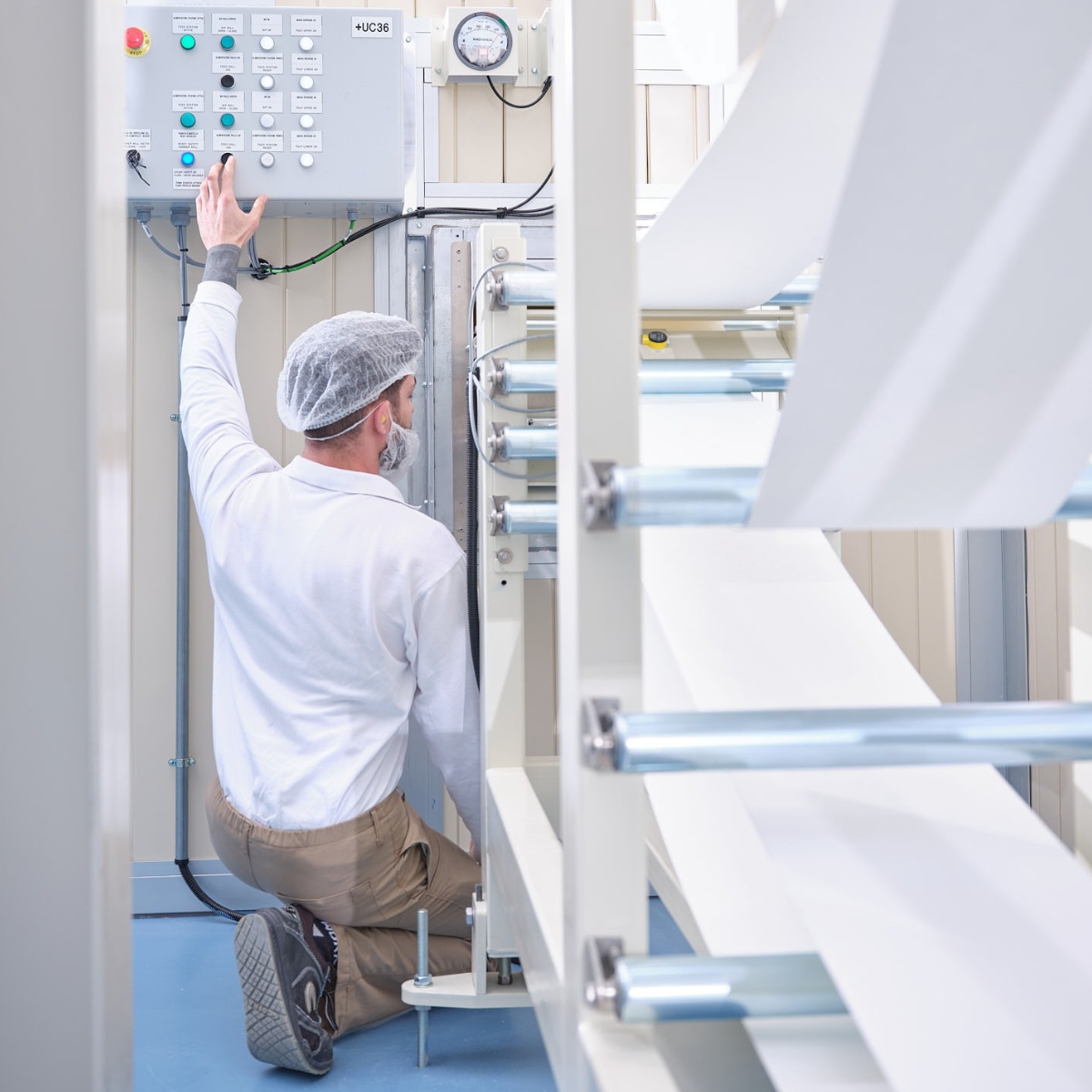
At Magic, vertical integration has been built step by step, by bringing part of the know-how and production capacity related to absorbent materials inside the company.
This approach allows Magic to work closer to the materials it processes every day, gaining a more direct understanding of the relationship between formulation, production conditions and final behaviour.
How Spongel and Airgel g-grade support process control
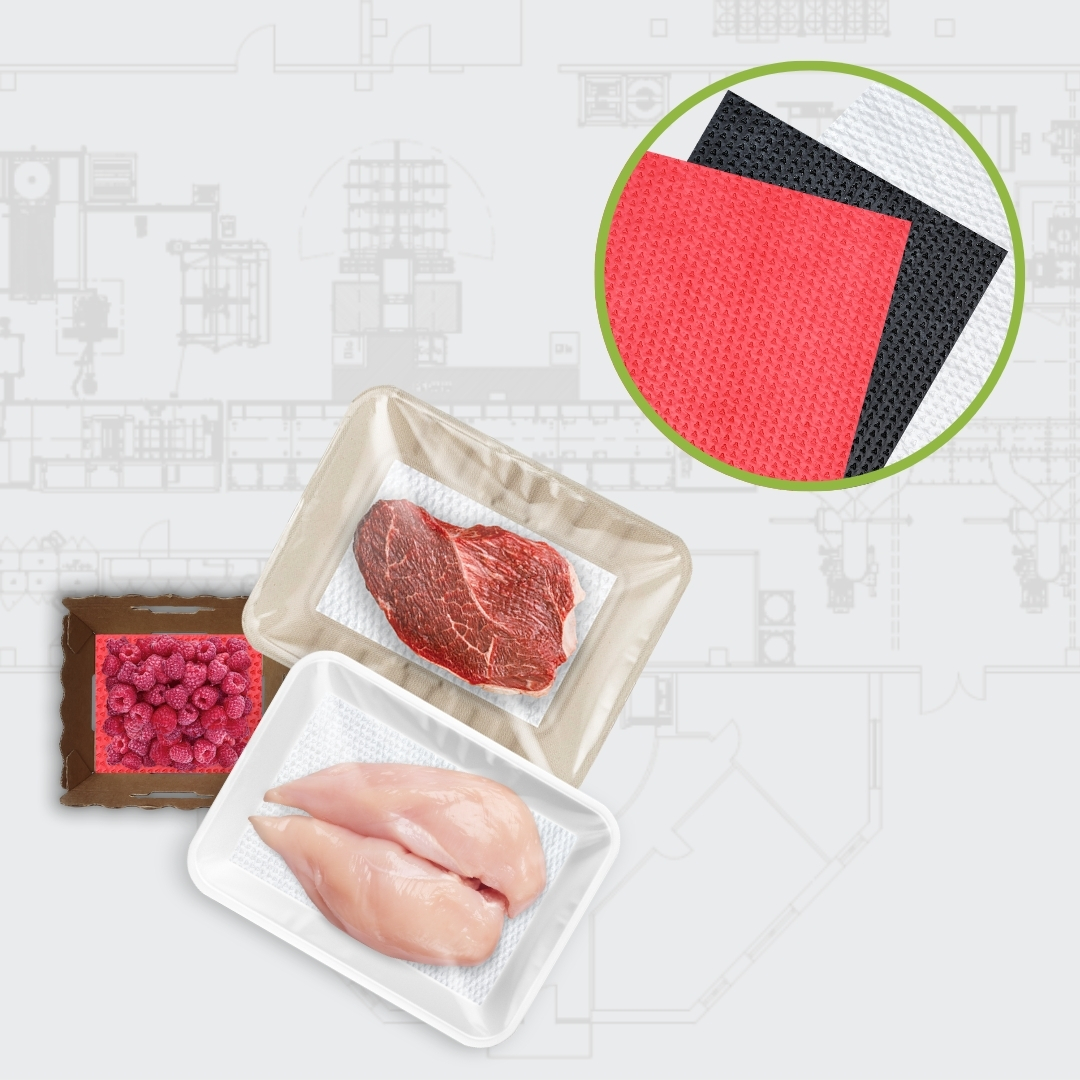
Spongel, the compostable super absorbent powder developed and produced by Magic, and Airgel g-grade, the company’s airlaid absorbent material, are part of this industrial path. Spongel focuses on the absorbent raw material and on liquid retention from the formulation stage. Airgel g-grade brings this competence into the airlaid structure, where fibres, absorbent capacity and process conditions need to work together inside a consistent material.
Keeping these steps close to production reduces the distance between material development, technical testing and daily industrial practice. It helps Magic understand how changes upstream can affect performance downstream, and supports more consistent work on adjustments, improvements and production planning.
Supply continuity depends on long-term material expertise
For customers, supply stability often becomes visible only when conditions change: materials become harder to source, lead times are less regular, or production needs to be adapted.
In these situations, reliability depends largely on decisions that were made much earlier. It depends on a structure already in place: selected materials, designed processes, preserved technical knowledge and planning that remains connected to production reality.
It gives production a more solid base and helps manage the sensitive steps where absorbent capacity and industrial reliability are most closely connected.